Beginner Woodworking Projects You Can Finish in a Weekend
Have you ever stared at a pile of raw lumber and felt that sudden, overwhelming wave of “where do I even begin?” I get it—trust me, I do. When I first stepped away from my coding desk to try my hand at something tactile, I realized that jumping straight into a massive dining table build is a recipe for a total meltdown. The gap between wanting to create something beautiful and actually knowing how to drive a screw straight can feel like a massive canyon. That’s why finding the right beginner woodworking projects isn’t just about picking up a hammer; it’s about finding that sweet spot where the challenge is high enough to be fun, but not so complex that you want to throw your tools out the window.
In this post, I’ve handpicked five specific builds designed to help you piece together your skills without the unnecessary stress. We aren’t going for perfection right out of the gate; we’re aiming for progress. By the time you finish this list, you’ll have a roadmap of projects that move you from “clueless amateur” to “confident maker,” all while building a collection of items you’ll actually want to use in your home. Let’s get to work!
Table of Contents
The Classic Floating Shelf
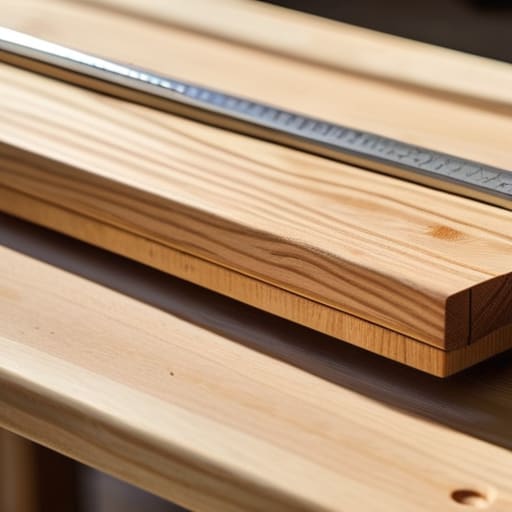
If you’re looking for a quick win that yields high visual impact, you can’t beat a simple floating shelf. I like to think of these as the “plug-and-play” modules of the woodworking world; they are straightforward to design but offer endless customization for your space. You only need a few basic boards and some sturdy brackets to get started, making it the perfect way to test your measuring skills without the fear of a massive structural failure.
A Minimalist Serving Tray
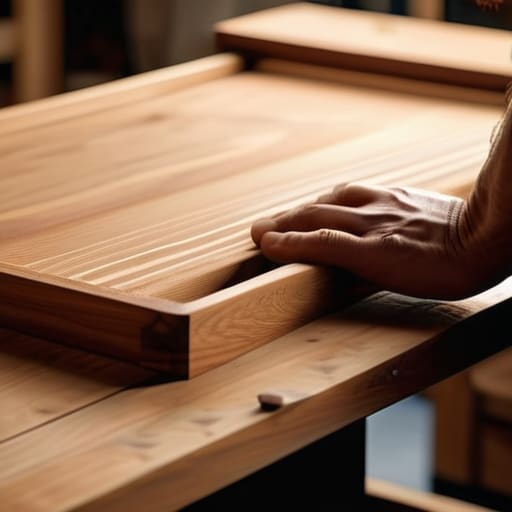
There is something so satisfying about moving from digital workflows to something tactile, and a wooden serving tray is a fantastic way to do just that. This project is essentially a lesson in geometry and assembly. You’ll be working with a base and some side rails, which helps you practice joining pieces together so they sit flush and square. It’s like debugging a simple script—if the corners don’t line up, you just tweak the parameters and try again.
The Desktop Organizer
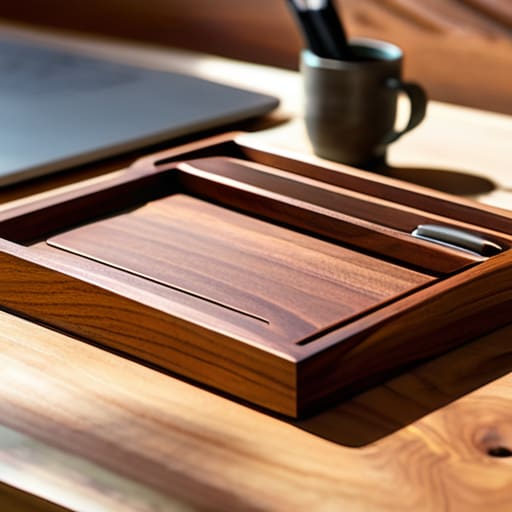
As someone who is constantly tinkering with new productivity systems, I have a deep appreciation for a well-organized workspace. Building your own desktop organizer is like creating a physical version of a customized software interface. You can design specific slots for your phone, a groove for your pens, and maybe even a little tray for those random paperclips that always seem to migrate across my desk.
Rustic Picture Frames
We spend so much of our lives staring at pixels, so there’s something deeply grounding about framing a physical memory in wood. Picture frames are the ultimate “micro-projects” because they allow you to play with different wood species and textures without a huge investment. It’s a brilliant way to learn about mitre cuts, which is a fancy way of saying you’re learning how to angle your saw to create those perfect 45-degree corners.
A Simple Birdhouse
If you want to take your woodworking skills outside the house (literally!), a birdhouse is a delightful little challenge. Think of it as a low-stakes way to practice enclosed construction. You’re dealing with walls, a floor, and a roof, which requires a bit more spatial reasoning than a flat shelf. It’s a wonderful way to apply your new skills to something that actually contributes to the local ecosystem.
Making Your First Cuts with Confidence
Don’t get caught up in the “perfect” tool setup right away; focus on mastering a few foundational skills through simple builds before upgrading your workshop.
Think of every mistake as a tiny piece of the puzzle—it’s much easier to learn how to fix a small error on a beginner project than on a massive, expensive heirloom.
Keep your momentum going by choosing projects that offer quick wins, helping you build the confidence you need to tackle more complex designs down the road.
Finding Your Rhythm in the Grain
“Think of your first few woodworking projects not as finished masterpieces, but as the essential pieces of a larger puzzle; each small, imperfect build is just a way of learning how the tools, the wood, and your own steady hands fit together to create something meaningful.”
Jordan Bennett
Building Your Way Forward
Looking back at these five projects, it’s easy to see how they all serve a bigger purpose than just adding more stuff to your shelves. Whether you’re tackling a simple birdhouse or a sturdy spice rack, each build is a chance to test your tools and refine your workflow. We’ve moved from the theoretical “I could do that” to the practical “I just did that,” by breaking down intimidating tasks into manageable, bite-sized pieces. Remember, the goal isn’t to produce a museum-quality masterpiece on day one; it’s about mastering the fundamentals through consistent, hands-on repetition. Every slightly crooked joint or sanded edge is just more data for your brain to process for the next project.
At the end of the day, woodworking is a lot like my DIY automation projects—it’s all about the joy of seeing a system come together from scratch. Don’t get discouraged if your first few attempts feel a little clunky or if you end up with more sawdust on the floor than wood in your hands. That’s just part of the process! View every mistake as a valuable lesson rather than a failure. Life is a complex puzzle, but as you build these small wins in your workshop, you’re actually building the confidence to tackle much bigger challenges. So, grab your safety goggles, clear off that workbench, and go create something amazing.
Frequently Asked Questions
Do I really need a full workshop of expensive power tools to get started, or can I actually do these with just a few basics?
Honestly, I get this question all the time! It’s like looking at a massive, complex piece of software and thinking you need a supercomputer just to run a basic script. You don’t. Think of your tools like your productivity stack: you only need the essentials to start seeing results. Most of these projects are totally doable with a simple hand saw, a hammer, and some sandpaper. Don’t let the “gear itch” stall your progress!
How do I figure out which type of wood is best for my first few projects without wasting a ton of money?
Think of your first few projects like a beta test for a new app—you want something functional and low-stakes! Don’t dive straight into expensive hardwoods like walnut; that’s like buying a premium subscription before you even know if you like the platform. Stick to “softwoods” like pine or cedar. They’re budget-friendly, easy to cut, and much more forgiving when you inevitably make a mistake. It’s all about building that foundational confidence first!
What's the best way to keep my workspace organized so I don't end up feeling overwhelmed by the mess?
Think of your workspace like a piece of code: if it’s cluttered with “junk” variables, nothing runs smoothly. I always tell my clients to treat organization as a system, not a chore. Start by implementing a “one-in, one-out” rule and use small bins for your tiny bits and pieces—it’s like tidying up your desktop icons! If everything has a dedicated “home,” you won’t waste mental energy hunting for tools when you’re in the flow.