Clever Diy Storage Solutions for Small Homes
I remember standing in the middle of my first studio apartment, staring at a mountain of tangled charging cables and half-empty craft bins, feeling like my brain was just as cluttered as my floor. I had this overwhelming sense that I needed to buy those expensive, modular designer shelving units I saw on Pinterest just to feel sane again. But honestly? That’s a total myth. You don’t need a massive budget or a degree in interior design to reclaim your space; you just need a few clever diy storage solutions that actually work with the weird, imperfect shapes of your real life.
I’m not here to sell you on some aesthetic-only lifestyle that falls apart the second you actually use it. Instead, I want to share the practical, low-friction methods I’ve learned from years of tinkering and optimizing systems. We’re going to skip the fluff and focus on building smart, functional setups that turn your chaos back into a cohesive puzzle. My promise to you is simple: no overcomplicated hacks, just straightforward, effective ideas that help you stop fighting your clutter and start actually living in your space.
Table of Contents
- Small Apartment Storage Hacks to Reclaim Your Square Footage
- Budget Friendly Decluttering to Ease Your Daily Mental Load
- My Favorite Low-Tech Fixes to Hack Your Home’s Potential
- The Big Picture: Making Your Space Work for You
- ## The Philosophy of Space
- Piece by Piece, You've Got This
- Frequently Asked Questions
Small Apartment Storage Hacks to Reclaim Your Square Footage
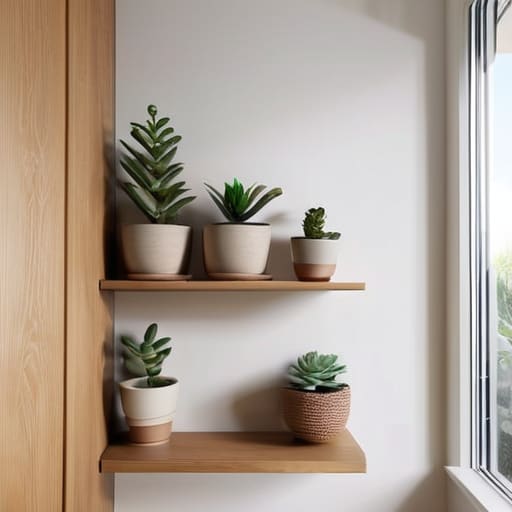
If you’re living in a studio or a cozy one-bedroom, you know the feeling: every square inch feels like it’s fighting for its life. When your floor space is limited, the secret isn’t just buying more bins; it’s about thinking vertically. I always tell my clients to look up. That empty wall above your desk or the gap between your wardrobe and the ceiling is prime real estate. One of my favorite small apartment storage hacks is installing floating shelves or even using tension rods in those awkward nooks. It moves the visual weight off the floor, making the room feel instantly airier and less like a Tetris game gone wrong.
Another game-changer is looking at your furniture as more than just a place to sit or sleep. I’m a huge fan of upcycled home organization—think about adding rolling casters to an old wooden crate to turn it into a mobile side table that hides your tech cables. If you can find ways to use the “hidden” spaces, like the area under your bed or the inside of your cabinet doors, you’ll find that your apartment suddenly has a lot more room to breathe.
Budget Friendly Decluttering to Ease Your Daily Mental Load
Honestly, we need to talk about the mental weight of “stuff.” You know that feeling when you walk into a room and your brain just immediately starts scanning the chaos? That’s not just a messy house; it’s a heavy mental load that drains your battery before you’ve even finished your morning coffee. Before we jump into buying fancy bins, let’s focus on some budget friendly decluttering strategies to clear the static. I always tell my clients: if you haven’t touched it in a year, it’s not an asset—it’s just a tiny piece of clutter stealing your peace of mind.
Once you’ve cleared the excess, you don’t need a massive budget to stay organized. I’m a huge fan of upcycled home organization because it turns “trash” into functional tools. Think about those glass pasta sauce jars or sturdy cardboard boxes from your latest online shopping spree. With a little bit of paint or even just some nice twine, these become perfect little organizers for your desk or bathroom vanity. It’s all about finding creative ways to give your belongings a designated “home” so they stop wandering into your mental workspace.
My Favorite Low-Tech Fixes to Hack Your Home’s Potential
- Think vertically with floating shelves. I used to let my books and decor take up precious desk space, but once I started mounting simple wooden planks on the walls, I felt like I’d finally let my room breathe again.
- Repurpose those old wooden crates. Instead of buying expensive modular bins, grab a few sturdy crates from a local market, sand them down a bit, and stack them. They’re like the LEGO bricks of home organization—totally customizable and surprisingly chic.
- Use tension rods for hidden zones. I’ve found that placing a tension rod under a sink or even inside a deep cabinet creates an instant “hanging station” for cleaning supplies or even small pouches, keeping the floor of the cabinet clear.
- Command hooks are your best friend for the “little things.” Don’t let your keys, headphones, or even your lightweight craft supplies drift into a junk drawer; give them a designated “home” on the wall to reduce that daily scavenger hunt.
- Magnetic strips for the kitchen or workspace. Taking a page out of my DIY automation playbook, I love using magnetic strips to keep metal tools or spice tins organized and visible, turning a chaotic drawer into a streamlined system.
The Big Picture: Making Your Space Work for You
Think of storage as a system, not just a chore; when you design your space to flow with your daily habits, you’re actually reducing the mental friction of your entire day.
You don’t need a massive renovation budget to see results—sometimes the most effective “hacks” are just clever, low-cost DIY tweaks that reclaim lost corners and vertical space.
The ultimate goal isn’t just a pretty room, but a functional environment that clears the clutter from your sight so you can focus your energy on what actually matters.
## The Philosophy of Space
“Think of DIY storage not as just adding more bins or shelves, but as designing a custom interface for your life—when every object has a logical ‘home,’ you stop wasting mental energy searching for things and start actually enjoying the space you’ve built.”
Jordan Bennett
Piece by Piece, You've Got This
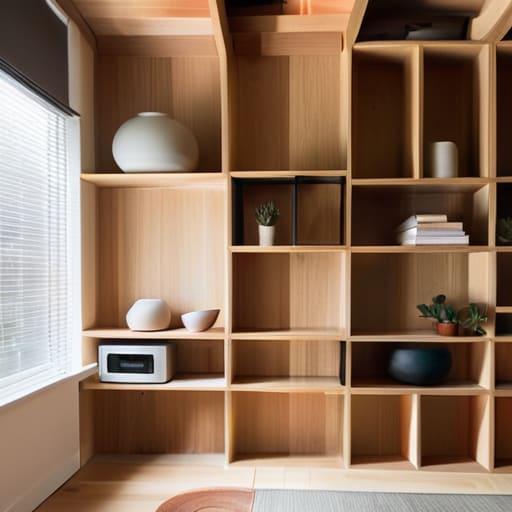
At the end of the day, whether you’re hacking together vertical shelving for a tiny studio or just using a few budget-friendly bins to clear the mental fog, the goal remains the same: creating a system that actually works for you. We’ve looked at how to reclaim your square footage and how to tackle the clutter that weighs down your brain, but remember that these aren’t just “home improvement” tasks. They are actually small engineering feats designed to streamline your daily life. By implementing these DIY storage solutions, you aren’t just moving boxes around; you are optimizing your personal operating system to reduce friction and give yourself more room to breathe.
I know that looking at a messy room or a disorganized closet can feel like staring at a giant, unsolvable puzzle. It’s easy to feel overwhelmed by the sheer volume of “stuff” we accumulate in this fast-paced world. But just like any complex system I used to debug in my software days, you don’t have to fix everything at once. Just pick one corner, one shelf, or one drawer, and start there. Life is a series of small, manageable adjustments, and I promise that every little bit of order you create today builds a much more fulfilling and peaceful tomorrow. You’ve totally got this!
Frequently Asked Questions
I'm a total beginner at this—do I really need power tools to make these DIY projects work, or can I get away with just some glue and command strips?
Honestly, please breathe a sigh of relief: you absolutely do not need a workshop full of power tools to get started! I used to think you needed a drill for everything, but most of these “puzzles” can be solved with just a bit of ingenuity. Command strips and heavy-duty adhesive are your best friends for renter-friendly setups. Think of it like coding—sometimes a simple script does the job much better than a massive, complex overhaul.
How do I know if a storage solution is actually going to help me stay organized long-term, or if I'm just building another "clutter magnet"?
That is the million-dollar question! I call it the “friction test.” If a storage solution requires ten steps to use—like unstacking three bins just to reach one pair of scissors—it’s a clutter magnet. Real organization should feel like a well-oiled machine, not a chore. Ask yourself: “Does this make it easier to put things away than it was to take them out?” If the answer is no, skip it and keep searching.
Is it worth investing in more expensive materials for these DIY builds, or should I stick to upcycling things I already have around the house?
Honestly, it’s a bit of a balancing act! If you’re building something structural—like a heavy-duty bookshelf—investing in decent materials is worth it to avoid the heartbreak of a collapse. But for smaller organizers? Stick to upcycling! There’s something so satisfying about turning an old shoebox or a glass jar into a functional piece. Think of it as a low-stakes experiment: upcycle to find your rhythm, then invest when you need something to last.