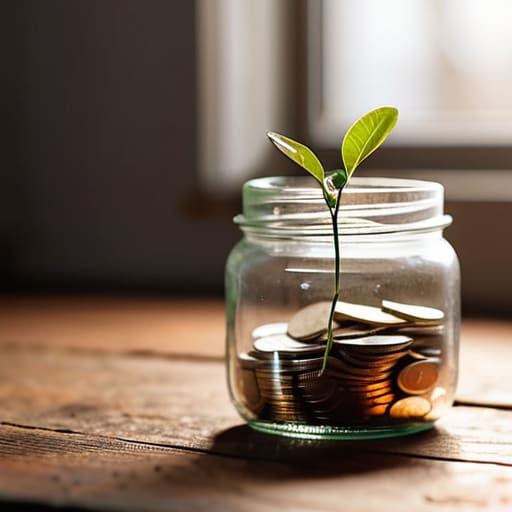
How to Build an Emergency Fund From Scratch
I still remember the exact moment my old sedan decided to give up the ghost on a rainy Tuesday afternoon. I was sitting in a cramped, grease-smelling mechanic’s waiting room, staring at a repair estimate that felt like a personal attack on my bank account. That sinking feeling in my stomach wasn’t just about the car; it was the realization that I had zero buffer between my daily life and a total financial meltdown. Most “experts” will tell you that learning how to build an emergency fund requires a complex, multi-step mathematical formula or a complete lifestyle overhaul, but honestly? That’s just noise that makes the whole process feel more daunting than it actually is.
I’m not here to sell you on some complicated wealth-management system that requires a PhD to navigate. Instead, I want to help you treat your savings like a simple DIY automation project: something you set up once so it can work in the background while you live your life. I’m going to break down a no-nonsense roadmap to help you piece together a safety net, one small, manageable step at a time. Let’s stop treating financial surprises like disasters and start building a system that actually gives you breathing room.
Table of Contents
- Finding Your Number Determining Your Emergency Fund Target Amount
- Smart Budgeting for Unexpected Expenses to Ease the Friction
- Small Wins, Big Impact: 5 Ways to Speed Up Your Savings
- The Quick Cheat Sheet: Your Roadmap to Financial Peace
- The Safety Net Mindset
- The Final Piece of the Puzzle
- Frequently Asked Questions
Finding Your Number Determining Your Emergency Fund Target Amount

So, how do we actually figure out what that magic number is? I used to think it was just a random figure pulled out of thin air, but it’s much more like solving a logic puzzle. First, you need to look at your “survival number”—the absolute bare minimum you need to cover rent, groceries, utilities, and insurance for one month. Once you have that baseline, the real question is: how much emergency savings is enough to keep you sleeping soundly at night?
For most people, I recommend aiming for three to six months of those essential living expenses. If your life feels a bit more unpredictable—maybe you’re freelancing or working in a volatile industry—you might want to lean toward the higher end of that scale. Think of your emergency fund target amount as a customized buffer tailored to your specific lifestyle. It’s not about hitting a generic milestone; it’s about building a personal safety net that fits the unique shape of your life. Once you’ve crunched those numbers, the path forward becomes a lot less intimidating.
Smart Budgeting for Unexpected Expenses to Ease the Friction

Once you’ve crunched the numbers and figured out your target, the next hurdle is actually finding the money without feeling like you’re constantly depriving yourself. This is where most people hit a wall of friction. Instead of looking at your budget as a restrictive cage, I like to think of it as a flow system. If you try to force a massive lump sum into your savings all at once, it’s going to feel like trying to shove a gallon of water into a tiny funnel—it’s messy and frustrating.
The secret to smooth budgeting for unexpected expenses is to stop treating your savings like an afterthought. I’m a huge fan of automating emergency savings so the decision-making process is removed from your daily life entirely. Set up a recurring transfer from your checking account to a dedicated high yield savings account for emergencies the very day you get paid. By making it a “set it and forget it” task, you’re essentially building your safety net in the background while you focus on living your life. It turns a daunting mountain of debt into a series of small, manageable pebbles.
Small Wins, Big Impact: 5 Ways to Speed Up Your Savings
- Automate the “Invisible” Transfer: Think of this like a background script running on your computer. Set up a recurring transfer from your checking to your savings right after payday. If you never see the money in your main account, you won’t miss it, and your fund grows while you’re busy living your life.
- Gamify Your Spare Change: I love a good DIY hack, and rounding up your transactions is one of the easiest. Many banking apps allow you to round up every purchase to the nearest dollar and sweep that change into a separate pot. It feels like playing a game, but suddenly, you’ve got a decent cushion built from nothing but coffee runs and grocery trips.
- The “Windfall” Rule: Whenever life throws a little unexpected bonus your way—like a tax refund, a birthday check from Grandma, or a side hustle payout—commit to a rule: 50% goes straight to the emergency fund. It’s a way to turn “extra” moments into long-term peace of mind without feeling like you’re depriving yourself.
- Audit Your Digital Subscriptions: We’ve all been there—paying for a streaming service or an app we haven’t touched in six months. Treat your monthly subscriptions like a cluttered desktop; if you aren’t using it, delete it. Redirect those “ghost” expenses directly into your savings account to accelerate your progress.
- Create “Micro-Goals” to Avoid Burnout: Looking at a massive target number can feel like trying to debug a thousand lines of broken code all at once. It’s overwhelming! Instead, break it down. Aim for $500 first. Then $1,000. Celebrating these tiny milestones keeps your momentum high and makes the big goal feel much more achievable.
The Quick Cheat Sheet: Your Roadmap to Financial Peace
Don’t let the “big number” scare you; start by aiming for a small, manageable milestone—like one month of essentials—to build momentum before tackling the full six-month goal.
Automate the process just like you’d set up a recurring software update; if your savings move from your checking to your emergency fund before you even see them, you won’t have to rely on willpower alone.
Treat your emergency fund as a sacred “system reserve” meant only for true glitches in your life, not for those impulsive upgrades or weekend splurges that can wait.
The Safety Net Mindset
“Think of an emergency fund not as a boring pile of cash sitting in a bank, but as a ‘peace of mind’ buffer—it’s the quiet confidence that when life decides to throw a wrench in your gears, you’ve already got the tools ready to fix it.”
Jordan Bennett
The Final Piece of the Puzzle

Building an emergency fund isn’t about having a massive, intimidating mountain of cash sitting in a vault; it’s about the small, intentional steps you take every single day. We’ve looked at how to pinpoint your specific target number so you aren’t shooting at a moving target, and we’ve explored how to tweak your budget to reduce the friction between your current spending and your future security. Remember, whether you’re automating a small transfer to a high-yield savings account or manually tucking away a little extra from your paycheck, every single dollar is a brick in your fortress. It’s all about creating a system that works for you, rather than a chore that drains your energy.
At the end of the day, I want you to stop looking at your emergency fund as a restriction on your lifestyle and start seeing it as the ultimate tool for mental freedom. When you know you have that safety net tucked away, the unexpected car repair or the sudden home maintenance issue stops feeling like a catastrophe and starts feeling like just another minor detour on your journey. You are essentially buying yourself peace of mind, one piece at a time. So, grab your notebook, pick your first small goal, and start building today. You’ve totally got this!
Frequently Asked Questions
Should I keep my emergency fund in my regular checking account so it's easy to grab, or is it better to tuck it away somewhere else?
Think of your emergency fund like a spare tire. You definitely want it accessible, but you don’t want it sitting in the middle of your living room where you might trip over it! If it’s in your checking account, it’s way too easy to accidentally “borrow” it for a weekend getaway. I recommend a High-Yield Savings Account. It keeps the cash separate from your daily spending while still letting you grab it quickly when life gets messy.
What happens if I have to dip into my fund for something that isn't a "true" emergency—am I breaking my own rules?
Look, I’ve been there—staring at my savings after a “non-emergency” purchase and feeling that pang of guilt. Here’s the thing: life isn’t a rigid algorithm. If you use the fund for something that isn’t a crisis, don’t beat yourself up; just treat it as a “recalibration” phase. The real win isn’t being perfect; it’s having a plan to refill the tank. Just jot it down in your budget and get back on track!
How do I balance building this safety net without feeling like I'm totally stalling on my other life goals, like traveling or paying down debt?
I totally hear you—it feels like you’re stuck in a tug-of-war between your “future self” and your “present self.” Think of it like a software update: you can’t install everything at once without crashing the system. Instead of choosing one or the other, try a “split-stream” approach. Automate a small percentage toward your fund, and a separate slice toward your debt or travel. It’s about steady progress, not perfect speed.