
How to Save on Your Utility Bills Year-round
I remember sitting on my floor last winter, surrounded by half-finished automation prototypes and a stack of crumpled energy bills that felt like they were mocking my engineering degree. I had spent hours researching the “perfect” smart home setup, convinced that I needed a thousand-dollar ecosystem of sensors just to figure out how to save on utilities without freezing in my own living room. It was a classic case of over-engineering a simple problem, and honestly, it was exhausting. We’ve been conditioned to believe that efficiency requires a massive tech overhaul or a complete lifestyle sacrifice, but that’s just a myth that keeps companies profitable while our bank accounts suffer.
I’m not here to sell you on expensive gadgets that require a PhD to install. Instead, I want to help you look at your home as a single, interconnected system that just needs a little bit of fine-tuning. Over the next few sections, I’m going to share the practical, low-friction shifts I’ve discovered through trial, error, and a lot of data-crunching. We’re going to piece together a strategy that focuses on high-impact, low-effort changes that actually stick, so you can reclaim your budget and finally stop stressing over the monthly meter reading.
Table of Contents
Smart Thermostat Benefits Automating Your Comfort and Savings
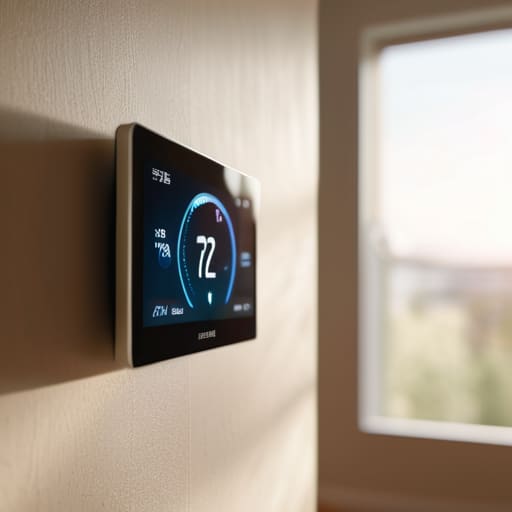
If there’s one thing my days spent tinkering with DIY automation taught me, it’s that we shouldn’t have to micromanage our environment just to stay comfortable. This is where the magic of a smart thermostat comes in. Think of it as a tiny, digital brain for your HVAC system that learns your rhythms. Instead of coming home to a freezing house or wasting money heating an empty living room, these devices use sensors and schedules to ensure you’re only using energy when it actually matters. One of the biggest smart thermostat benefits is the sheer ability to stop “guessing” with your settings; it takes the mental load off your plate and puts it onto a reliable algorithm.
By automating these small shifts, you’re essentially implementing one of the most effective energy efficient home improvements available today. I love how it turns a manual chore into a “set it and forget it” system. It’s not just about the tech, though—it’s about lowering heating and cooling costs without sacrificing that cozy feeling we all crave. It’s a simple piece of the puzzle that makes a massive difference in your monthly budget.
Lowering Heating and Cooling Costs Through Simple Habits

Even if you aren’t ready to dive into a full-scale renovation, you can make a massive dent in your monthly bills just by tweaking your daily rhythm. I like to think of your home as a living system; if you feed it the right habits, it runs much smoother. One of the easiest wins is being mindful of your “thermal leakage.” For instance, closing your curtains during a scorching summer afternoon or pulling them shut on a freezing winter night acts like a simple, manual layer of insulation. It’s a small, low-tech way of lowering heating and cooling costs without spending a dime on fancy new gadgets.
Another thing I’ve noticed in my own DIY automation experiments is how much energy we waste on “ghost” settings. We often leave fans spinning in empty rooms or keep the AC cranking while we’re out running errands. By making a conscious effort to adjust your settings as you move through your day, you’re essentially optimizing your home’s operating system. These little behavioral shifts might seem minor, but when they stack up over a month, they turn into significant savings that help you reclaim your budget.
Plugging the Leaks: Small Tweaks for Big Returns
- Think of your home like a leaky bucket; if you don’t seal the cracks, you’re just pouring money down the drain. Grab some weatherstripping or even just some simple caulk to seal up those pesky drafts around windows and doors—it’s a tiny DIY project that pays for itself in no time.
- Let’s talk about “phantom loads.” Even when your gadgets are turned off, they’re often still sipping electricity like a slow straw. Plugging your entertainment center or kitchen appliances into smart power strips can help you cut off the power completely when they aren’t in use.
- Water is a precious resource, and heating it is surprisingly energy-intensive. Lowering your water heater temperature to about 120°F (49°C) is a total game-changer; you’ll still have plenty of hot water for that much-needed shower, but your energy bill will definitely thank you.
- Lighting is one of the easiest puzzles to solve. If you haven’t made the switch to LEDs yet, consider this your sign! They use a fraction of the energy of old incandescent bulbs and last way longer, meaning less time spent tinkering and more money left in your pocket.
- Don’t forget the power of a little shade. In the summer, closing your blinds during the hottest part of the day keeps the sun from turning your living room into a greenhouse, and in the winter, opening them wide can let that free solar warmth do the heavy lifting for you.
The Quick-Start Blueprint: My Top Three Wins
Think of your home like a system that needs fine-tuning; start by automating your climate control with a smart thermostat to take the guesswork out of energy usage.
Small, consistent habits—like adjusting your thermostat by just a couple of degrees or closing curtains—act like little “efficiency patches” that prevent major budget leaks.
Don’t try to overhaul everything at once; pick one area of your utility puzzle to solve this week, and build your momentum from there.
## The Big Picture
“Think of your utility bills not as an inevitable monthly tax, but as a complex puzzle waiting to be solved; once you swap those mindless habits for a few smart, automated tweaks, you aren’t just saving money—you’re reclaiming your peace of mind.”
Jordan Bennett
Putting the Pieces Together
At the end of the day, cutting back on your utility bills isn’t about making huge, sweeping sacrifices that leave you shivering in the dark or sitting in a dim house. It’s really about the small, intentional adjustments that add up over time. We’ve looked at how investing in a smart thermostat can take the heavy lifting out of temperature management, and how shifting your daily habits—like being a bit more mindful of when you run the dishwasher or how you manage your airflow—can create a massive ripple effect. By combining a little bit of smart tech with a few simple lifestyle tweaks, you’re essentially building a more efficient system for your home that works for you, rather than against you.
I know that staring at a mounting pile of bills can feel overwhelming, like you’re facing a puzzle with half the pieces missing. But remember, you don’t have to overhaul your entire life overnight to see a difference. Start with one small win—maybe it’s just setting a new schedule for your smart devices or finally tackling that drafty window. Every little bit of progress is a step toward a more sustainable and stress-free lifestyle. You’ve got the tools and the roadmap; now, just take it one piece at a time and watch your efficiency grow.
Frequently Asked Questions
I've looked into smart thermostats, but is the initial cost actually worth it if I'm on a tight budget right now?
That is such a valid question, and honestly, I get it—staring at a price tag when your budget is already tight feels like a puzzle piece that just won’t fit. If you’re feeling the squeeze, don’t rush into it. While the long-term savings are great, you can get similar wins by just being more intentional with your manual settings. Let’s focus on those zero-cost habit shifts first; once you’ve built that momentum, the tech becomes a much easier upgrade.
Are there any specific "energy vampires" in a typical home setup that I should be hunting down to stop phantom power drain?
Think of your home like a leaky bucket; even when you aren’t “using” things, energy is still trickling out. Those “energy vampires” are usually devices with standby lights or chargers left plugged in. I’m talking about gaming consoles, coffee makers, and those old desktop printers. I love using smart power strips for my DIY automation projects—they act like a kill switch, cutting the power completely so these sneaky little drains can’t steal your budget!
How much of a difference can simple DIY fixes, like sealing window drafts, actually make on my monthly bill compared to bigger appliance upgrades?
Think of it like this: a big appliance upgrade is like buying a high-performance engine, but sealing window drafts is like fixing a massive leak in your fuel tank. You can have the most efficient heater in the world, but if that warm air is escaping through a drafty window, you’re just throwing money out the window! DIY fixes offer an incredible “bang for your buck” because they stop the waste before it even starts.