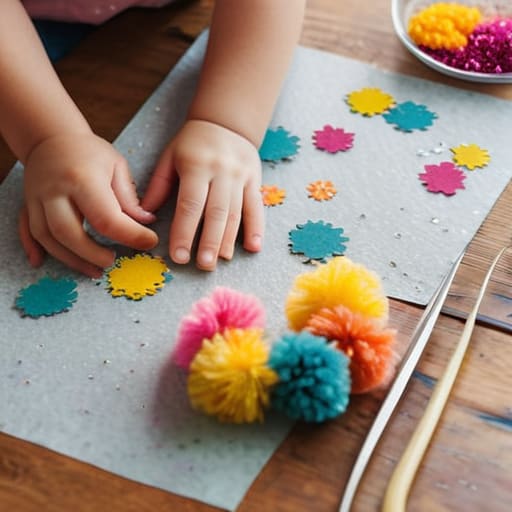
Easy Kids’ Craft Ideas for a Rainy Day
Ever feel like your living room has suddenly transformed into a high-stakes battlefield of scattered LEGOs and half-finished drawings? I’ve been there, staring at a pile of random supplies and wondering how to turn that impending chaos into something actually meaningful. We all want to engage our little ones, but finding the right kids craft ideas that aren’t just expensive, one-time-use plastic kits can feel like trying to debug a massive, messy codebase without any documentation. It’s not just about keeping them quiet for twenty minutes; it’s about finding those sweet spots where creativity meets genuine, focused play.
I’ve spent my afternoon tinkering with some low-tech solutions to help you reclaim your sanity while sparking some serious imagination. In this post, I’m breaking down five of my absolute favorite, streamlined projects that focus on maximum creativity with minimum cleanup. You’re going to learn how to use everyday household items to build something truly special, proving that you don’t need a massive budget or a degree in fine arts to foster a sense of wonder. Let’s dive in and start piecing this puzzle together!
Table of Contents
The Cardboard Command Center
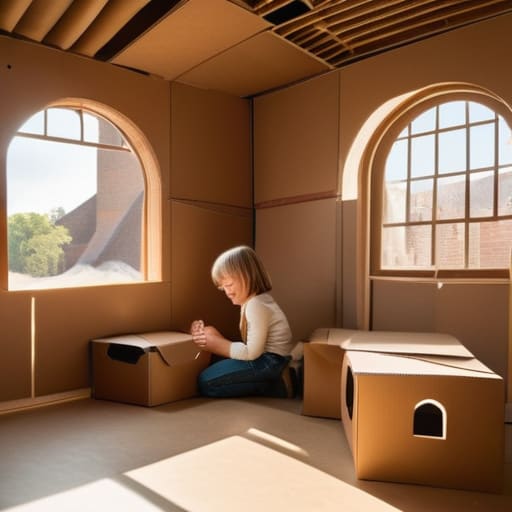
If you have a stack of delivery boxes sitting by your door, don’t toss them just yet. I used to think of cardboard as just recycling, but in the world of high-level play, it’s actually the ultimate modular building block. You can help your kids transform a simple box into a spaceship, a castle, or even a tiny little house for their stuffed animals. It’s basically like giving them a physical version of Minecraft, but without the screen time.
Nature’s Color Palette
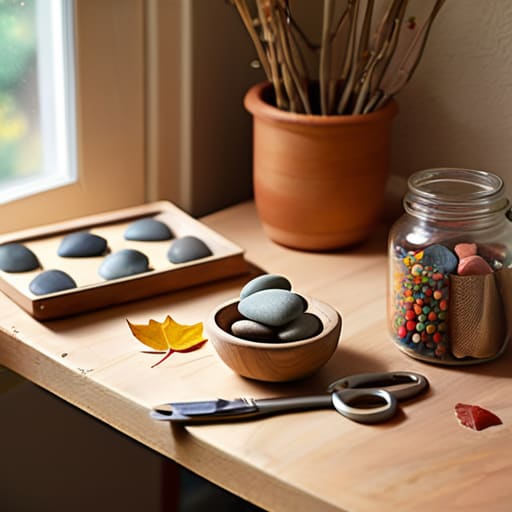
I’m a huge fan of getting out of the house to find inspiration, and nothing beats a simple nature scavenger hunt that doubles as an art project. Grab a few small containers and head to the local park or even just your backyard to collect leaves, twigs, and interesting stones. It’s a great way to reset your brain and enjoy some fresh air before settling down at the kitchen table to create something beautiful.
Kitchen Chemistry Masterpieces
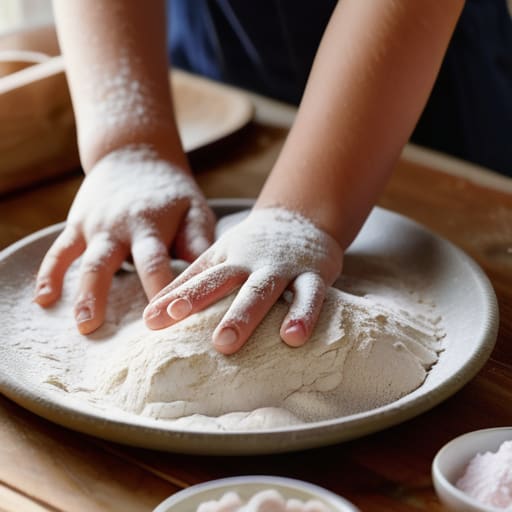
Sometimes the best craft supplies are hiding right in your pantry. I’ve spent many late nights tinkering with DIY projects, and I’ve realized that making homemade playdough or salt dough is a total game-changer for busy parents. It’s much cheaper than buying the store-bought stuff, and honestly, the process of mixing the flour, salt, and water is a miniature science experiment in itself.
The Upcycled Jar Galaxy
We all have those empty glass or plastic jars that seem to accumulate in the recycling bin. Instead of letting them sit there, let’s turn them into tiny, swirling universes. This is one of those projects that feels almost magical when you see the light hitting the glitter and water inside. It’s a perfect way to teach kids about fluid dynamics—in a very simplified, sparkly way, of course!
Custom Sticker Storybooks
If your kids are the type who can’t stop drawing on every scrap of paper they find, let’s lean into that energy and give them a dedicated outlet. You can create DIY sticker books using contact paper and some colorful construction paper. It’s a low-tech, high-reward way to encourage them to tell stories through visual cues, which is a massive win for their early literacy skills.
Making the Most of Creative Chaos
Don’t sweat the mess; the goal isn’t a perfect masterpiece, it’s about giving your kids a way to process their world through hands-on play.
Keep your “craft station” modular and accessible so that turning a random afternoon into a creative session feels effortless rather than like a chore.
Use these activities as a way to bridge the gap between screen time and real-world engagement, helping them build focus and fine motor skills naturally.
The Real Magic of Making
“I’ve always seen productivity as a way to clear the clutter so we can focus on what actually matters, and honestly? Sometimes that ‘what matters’ is just sitting on the floor with a pile of cardboard boxes and some glitter, watching a kid turn ‘trash’ into a masterpiece of pure imagination.”
Jordan Bennett
Making the Most of the Mess
At the end of the day, whether you’re setting up a high-tech recycled robot station or just diving into some classic finger painting, the goal isn’t perfection—it’s engagement. We’ve looked at how a few simple materials can turn a quiet afternoon into a massive win for your child’s development, from fine motor skills to pure, unadulterated imagination. I know that as a parent, the thought of glitter on the carpet can feel like a system failure, but I promise you, these small moments of creative chaos are actually the building blocks of a much bigger picture. By integrating these low-stress activities into your routine, you aren’t just “keeping them busy”; you are actively optimizing their playtime for maximum joy and discovery.
If there’s one thing my years in tech and productivity have taught me, it’s that the best systems are the ones that allow for a little bit of wiggle room. Life is a puzzle, and sometimes the most beautiful pieces are the ones that don’t quite fit the lines perfectly. Don’t get caught up in trying to curate a Pinterest-perfect masterpiece every single time. Instead, just grab that notebook, jot down what worked, and remember that the most important part of any project is the connection you build while doing it. Now, go ahead—embrace the glue sticks, ignore the crumbs, and go create something wonderful together!
Frequently Asked Questions
How can I keep the mess contained so my living room doesn't look like a glitter bomb went off?
Honestly, I’ve been there—it feels like glitter is a permanent part of the upholstery! To keep the chaos contained, I swear by the “zone defense” method. Set up a dedicated tray or a cheap plastic tablecloth for each project; it acts like a physical boundary for the mess. Also, keep a small handheld vacuum or even a lint roller nearby. It’s all about creating small, manageable systems so the creativity stays fun, not overwhelming.
What are some low-cost or recycled materials I can use so I'm not constantly running to the craft store?
Honestly, I’m a huge fan of the “treasure hunt” approach! Before you grab your keys for a store run, raid your recycling bin. Empty cereal boxes, toilet paper rolls, and egg cartons are basically the LEGO bricks of the DIY world. I also love using old buttons, mismatched socks, or even those random scraps of ribbon from a birthday gift. It’s cheaper, eco-friendly, and turns “trash” into a puzzle waiting to be solved!
How do I pick activities that are actually engaging for different age groups without them getting bored in five minutes?
Think of it like designing an app: you have to match the complexity to the user’s skill level. For toddlers, focus on sensory “low-stakes” play—think finger paints where there’s no “wrong” way to do it. For older kids, they need a “mission.” Instead of just coloring, give them a goal, like “design a superhero emblem.” If you bridge the gap between simple tactile fun and goal-oriented projects, you’ll dodge that five-minute boredom slump!