The Essential Tools Every Diy Beginner Needs
Have you ever stood in the middle of a room, staring at a half-finished shelf or a wobbly chair, feeling like you’re staring at a puzzle with half the pieces missing? I’ve been there more times than I’d like to admit—usually with a smudge of sawdust on my forehead and a mounting sense of frustration. We often think that starting a project requires a massive, intimidating warehouse of equipment, but that’s a total misconception that leads to analysis paralysis. In reality, finding the right essential tools for diy isn’t about owning everything under the sun; it’s about having the specific, reliable pieces that turn a daunting task into a manageable win.
In this post, I’m stripping away the complexity to help you build your own starter kit without the overwhelm. I’ve narrowed it down to just five key items that serve as the foundation for almost any home project you can dream up. By the time you finish reading, you’ll know exactly which tools are worth your investment and how they can help you tackle your home projects with confidence. Let’s get you equipped so you can stop overthinking and start creating something amazing.
Table of Contents
- The Reliable Powerhouse: Your Cordless Drill
- The Precision Architect: A Quality Tape Measure
- The Level-Headed Essential: A Spirit Level
- The Versatile Workhorse: A Multi-Bit Screwdriver Set
- The Safety Net: A Solid Set of Hand Tools
- Putting the Pieces Together: My Final Thoughts
- The Secret to a Smoother Build
- The Final Piece of the Puzzle
- Frequently Asked Questions
The Reliable Powerhouse: Your Cordless Drill
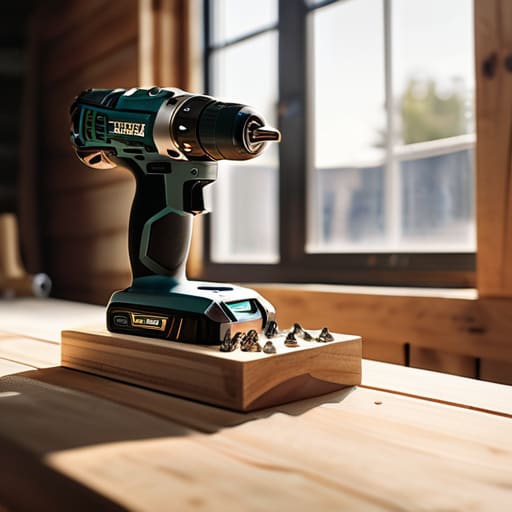
If my life were a codebase, the cordless drill would definitely be the core library that everything else relies on. It’s not just about making holes; it’s about the freedom to move around your space without being tethered to a wall outlet like a dog on a leash. Whether you’re assembling a flat-pack bookshelf or mounting a heavy mirror, having a reliable drill makes the process feel less like a chore and more like a seamless execution of your vision.
The Precision Architect: A Quality Tape Measure
It sounds almost too simple, right? But in my experience, most DIY disasters don’t stem from a lack of skill, but from a lack of accuracy. I remember one of my early automation projects where I miscalculated a mounting bracket by just a few millimeters, and let me tell you, it was a total system failure. A good tape measure is your primary sensor, providing the raw data you need to ensure everything fits perfectly the first time.
The Level-Headed Essential: A Spirit Level
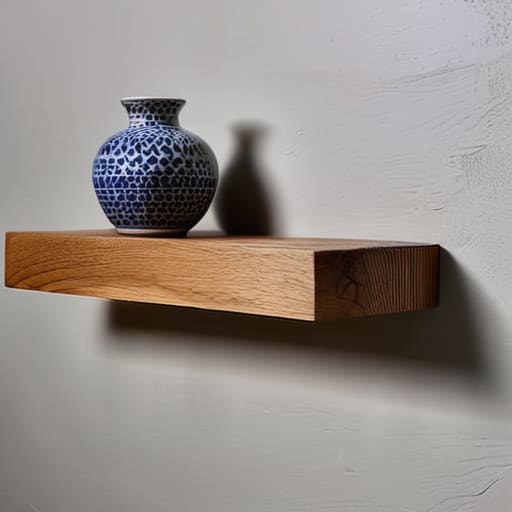
We’ve all been there: you hang a beautiful piece of art or a new floating shelf, only to realize ten minutes later that it’s leaning slightly to the left. It’s like a bug in a software update that looks fine at first glance but completely ruins the user experience. A spirit level is your ultimate debugging tool, helping you ensure that everything in your home is aligned with the physical laws of the universe.
The Versatile Workhorse: A Multi-Bit Screwdriver Set
In the tech world, we love modularity, and a multi-bit screwdriver set is the ultimate expression of that concept. Instead of lugging around a massive, heavy toolbox filled with twenty different single-use screwdrivers, you can carry one sleek handle and a handful of interchangeable bits. It’s all about minimizing friction and maximizing your ability to react to whatever task is thrown your way.
The Safety Net: A Solid Set of Hand Tools
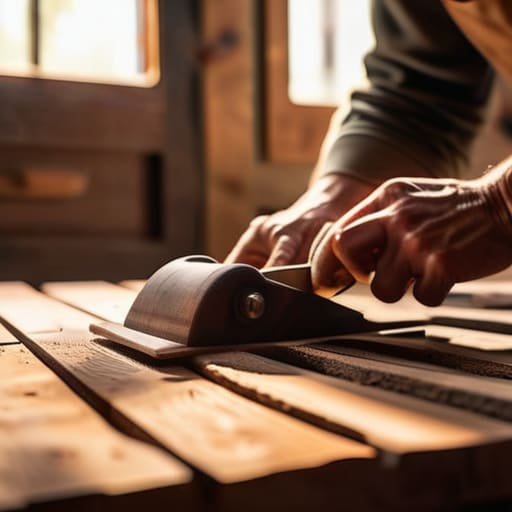
While we love our high-tech power tools, there is a certain tactile satisfaction in using manual tools that a motor just can’t replicate. A solid hammer, a sturdy pair of pliers, and a reliable utility knife form the foundational layer of any DIY toolkit. These are the tools you reach for when you need finesse, control, or a bit of brute force without the noise and chaos of a power tool.
Putting the Pieces Together: My Final Thoughts
Don’t feel like you need to buy the whole hardware store at once; start with these core essentials and let your toolkit grow naturally as you tackle new projects.
Think of these tools not just as objects, but as the bridge between a frustrating “I can’t do this” moment and the satisfaction of a job well done.
The goal isn’t perfection—it’s about having the right pieces in your puzzle box so you can approach any DIY challenge with confidence and a little bit of joy.
The Secret to a Smoother Build
“Think of your toolkit not as a collection of heavy hardware, but as the essential logic gates for your creativity; when you have the right tools, you stop fighting the materials and start solving the puzzle.”
Jordan Bennett
The Final Piece of the Puzzle
At the end of the day, building your DIY toolkit isn’t about amassing a mountain of expensive gadgets that collect dust in your garage. It’s about curating a collection of reliable, versatile essentials—like that dependable drill or the precision of a good level—that act as the foundation for everything you want to create. When you have these core pieces in place, you stop worrying about whether you can handle a task and start focusing on how you want to execute it. Think of these tools as your personal efficiency stack; they reduce the friction between a great idea in your head and a finished project in your living room, making the entire process feel much more seamless and intuitive.
I know that staring at a blank workspace or a pile of raw materials can feel a little intimidating at first, but remember that every expert started with a single, simple tool and a lot of curiosity. Don’t feel like you need to master every complex automation or heavy-duty power saw overnight. Just take it one step at a time, one screw at a time, and enjoy the process of learning as you go. You aren’t just fixing a shelf or painting a wall; you are optimizing your environment and building the confidence to tackle whatever life throws your way. Now, grab your notebook, pick a project, and let’s get to work!
Frequently Asked Questions
Should I invest in high-end professional brands right away, or is it better to start with budget-friendly versions while I'm still learning?
Think of it like upgrading your computer hardware: you don’t need a top-of-the-line workstation to learn how to code! I always tell my clients to start with reliable, budget-friendly tools. You need to learn the “mechanics” of the task first. Once you’ve mastered the basics and actually know you enjoy the hobby, that’s when you invest in the professional-grade gear. Save your budget for the tools you’ll actually use every single day.
Is there a specific order I should follow when building out my tool kit so I don't end up with a bunch of stuff I'll never actually use?
Think of it like building a software stack: you don’t start with fancy plugins before you have the core operating system! Start with the “high-frequency” tools—the ones you’ll reach for every single time, like a reliable drill or a multi-bit screwdriver. Once those basics are part of your daily workflow, you’ll have a much clearer sense of which specialized “add-ons” actually solve real problems in your home, rather than just gathering dust.
How do I know if a tool is actually a "must-have" versus just something that's trendy or easy to buy on impulse?
That is such a great question! I used to fall into that “shiny object syndrome” trap all the time back when I was engineering software. My rule of thumb? Ask yourself: “Does this solve a recurring friction point in my workflow?” If you’re constantly struggling with a specific task, that’s a signal. If you’re just buying it because a TikTok video made it look satisfying, put the notebook away and walk away. Solve problems, don’t just collect gadgets.