How to Fix a Squeaky Door in Two Minutes
I was halfway through a deep-work session last Tuesday—the kind where you’re finally in the zone and your brain is firing on all cylinders—when that piercing, rhythmic screech sliced through my concentration like a dull saw. Every time the cat brushed past the hallway, my bedroom door announced its presence with a high-pitched protest that made me want to pull my hair out. It’s funny how such a tiny mechanical glitch can completely derail your mental flow, but I quickly realized that learning how to fix a squeaky door isn’t just about home maintenance; it’s about reclaiming your peace of mind.
Instead of letting that noise become a permanent soundtrack to your life, I want to show you how to tackle it with the same precision we’d use to debug a piece of messy code. I’m stripping away the complicated hardware store jargon to give you a few fail-proof, DIY solutions that actually work. Whether you have a specialized lubricant on hand or just need to raid your kitchen pantry for a quick fix, I’ll walk you through the simplest ways to silence the chaos and get your home feeling smooth again.
Table of Contents
- Step-by-Step Instructions
- The Right Tools Wd 40 vs Silicone Spray for Doors
- Quick Fixes Using Common Household Items to Stop Door Squeaks
- Pro-Tips to Keep Your Home Running Like a Well-Oiled Machine
- Putting the Pieces Together: My Top Tips for a Silent Home
- ## The Smallest Friction Matters
- Putting the Pieces Together
- Frequently Asked Questions
Guide Overview
Tools & Supplies
- Screwdriver for tightening loose hinge screws
- Microfiber cloth for cleaning excess lubricant
- Lubricant (WD-40, silicone spray, or white lithium grease) 1 can
- Paper towels or rags 1 pack
Step-by-Step Instructions
- 1. First things first, let’s grab a screwdriver and pop that hinge pin out. I usually do this by placing a small nail or a screwdriver against the bottom of the hinge and tapping it upward with a hammer. It’s a little bit like extracting a stubborn piece of code—you just need the right leverage to get it moving without making a mess.
- 2. Once the pin is out, take a good look at it. If it looks crusty or covered in old, dark grime, you’ll want to give it a deep clean. I like to use a bit of steel wool or even an old rag with some soapy water to scrub away the buildup. Think of this as clearing your mental cache before you start a new task; you want a clean slate for the real work to happen.
- 3. Now, let’s talk lubrication. While you might be tempted to grab whatever oil is lying around, I highly recommend using a dedicated lubricant like lithium grease or a silicone-based spray. If you’re in a pinch and want to use a household hack, a tiny bit of petroleum jelly works wonders, but consistency is key if you want a long-term fix.
- 4. Apply your chosen lubricant to the pin, making sure to coat it evenly from top to bottom. Don’t go overboard—we aren’t trying to drown the hinge, just create a smooth, slippery surface. I always tell my clients that less is often more when it comes to optimizing systems; too much “input” can actually lead to a bigger mess later on.
- 5. Slide the pin back into the hinge carefully. As you push it down, you might notice it feels a bit smoother already, but you’ll want to wiggle the door back and forth a few times. This helps the lubricant distribute itself through the entire mechanism, much like how running a quick test script ensures everything is integrated properly.
- 6. Grab a clean paper towel and wipe away any excess oil that might have squeezed out during the process. You don’t want any stray droplets landing on your carpet or door frame, which can be a real headache to clean up. It’s all about that attention to detail that turns a quick fix into a professional-grade solution.
- 7. Finally, give the door a few firm swings to make sure the silence holds. If you still hear a tiny protest from the metal, don’t panic! Just repeat the process with a slightly heavier application of lubricant. Once that sound is gone, you’ve officially solved this little piece of your home’s puzzle.
The Right Tools Wd 40 vs Silicone Spray for Doors
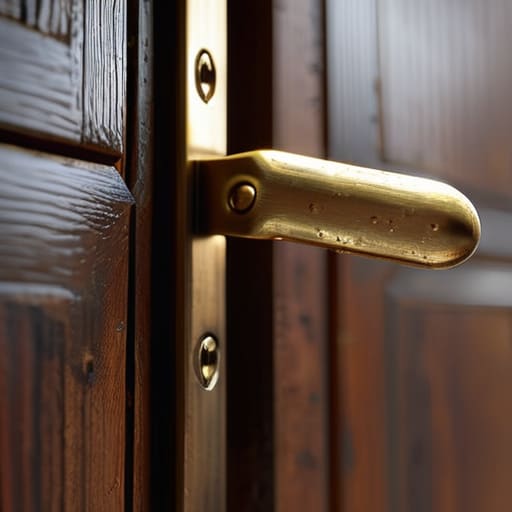
Now, I know what you’re thinking: “Jordan, I have a can of WD-40 in the junk drawer, can’t I just spray that and call it a day?” It’s a classic move, and honestly, it works for a quick fix, but there’s a bit of a catch. While WD-40 is a legendary penetrant that’s great for breaking up rust, it isn’t actually a long-term lubricant. If you use it for fixing noisy door hinges, you might find yourself back in this same spot a few weeks later once the liquid evaporates. It’s like trying to fuel a car with a shot of espresso—it gives you a burst of energy, but it won’t keep the engine running smoothly for the long haul.
When it comes to the debate of WD-40 vs silicone spray for doors, I almost always recommend reaching for the silicone. Silicone spray leaves behind a thin, slick film that actually stays put, making it much better for long-term door hinge pin maintenance. It doesn’t attract nearly as much dust or grit, which is key to keeping your hardware clean. If you’re looking for a permanent solution rather than a temporary band-aid, silicone is definitely the way to go.
Quick Fixes Using Common Household Items to Stop Door Squeaks
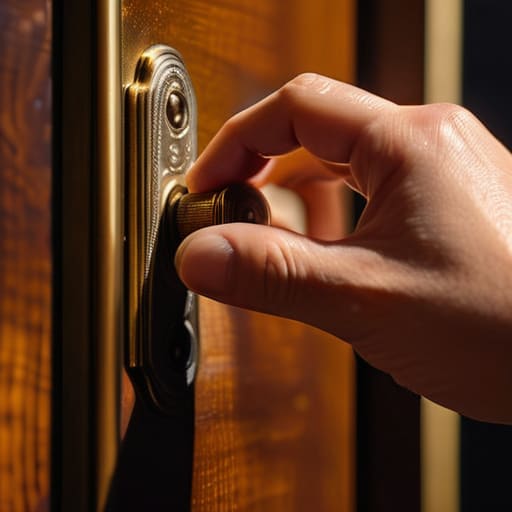
Sometimes, you don’t need to run to the hardware store or break out the heavy-duty gear to solve a problem. If that sudden skreeeee sound happens in the middle of the night and you just want some peace, look toward your kitchen or bathroom first. A little bit of cooking oil or even a dab of petroleum jelly can work wonders as temporary household items to stop door squeaks. Just a tiny amount applied directly to the pivot point can provide enough slip to silence the friction until you can perform more formal door hinge pin maintenance later.
If you’re feeling a bit more crafty, even a bar of soap can act as a dry lubricant. Rubbing a dry bar of soap onto the hinge mechanism is a classic “life hack” that many of my DIY automation projects rely on for simple mechanical fixes. It’s not as permanent as a professional spray, but it’s a brilliant way of fixing noisy door hinges when you’re in a pinch. Think of it as a quick patch to keep your home’s “operating system” running smoothly without any unnecessary friction.
Pro-Tips to Keep Your Home Running Like a Well-Oiled Machine
- Don’t just spray and pray; if you can, pull the hinge pin out slightly to get the lubricant right where it’s needed most. It’s a little more work, but it prevents that messy drip down your door frame.
- Less is definitely more when it comes to oils. I’ve learned the hard way that a tiny bit of precision goes much further than a massive cloud of spray that ends up coating your carpet.
- Keep a “maintenance log” in your head (or that little notebook of mine!) about when you last lubricated your hinges. Catching a tiny squeak early is way easier than dealing with a stubborn, grinding door later.
- Clean the grime first. Before you add any new oil, take a damp cloth and wipe away the old dust and gunk from the hinge. Adding fresh lube to a dirty hinge is like trying to fix a glitchy app without clearing the cache—it just won’t work right.
- Check your alignment while you’re at it. Sometimes a squeak isn’t just about friction; it’s a sign the door is slightly off-kilter. A quick tighten of the hinge screws can sometimes solve the puzzle before you even reach for the spray.
Putting the Pieces Together: My Top Tips for a Silent Home
Don’t just mask the noise; identify whether you need a heavy-duty lubricant like silicone spray for a long-term fix or a quick household hack to get you through the night.
Think of your door hinges like a complex system—sometimes a tiny bit of friction in one small spot can throw off the peace and quiet of your entire workspace.
Keep a small “maintenance kit” handy so you can solve these little household puzzles immediately instead of letting them become a lingering distraction in your day.
## The Smallest Friction Matters
“A squeaky door might seem like a tiny annoyance, but in the grand design of a productive life, it’s a micro-distraction that breaks your flow. Fixing it isn’t just about maintenance; it’s about smoothing out the little frictions so you can focus on the big picture.”
Jordan Bennett
Putting the Pieces Together
At the end of the day, fixing that annoying squeak is all about choosing the right tool for the specific job. Whether you decided to go the professional route with a specialized silicone spray or opted for a clever household hack like a bit of cooking oil or even some petroleum jelly, you’ve successfully tackled a small but nagging friction point in your environment. Remember, the key is to identify whether you need a heavy-duty lubricant for long-term results or just a quick temporary fix to get you through the afternoon. Once you’ve applied your solution and worked the hinge to distribute it, you’ll find that silence is much more rewarding than that repetitive, piercing sound every time you walk into a room.
I like to think of these little home maintenance tasks as tiny micro-wins for your overall productivity. It might seem trivial, but when we clear away these small, sensory distractions, we create a smoother flow for our focus and our peace of mind. Life is already complex enough without a noisy door constantly breaking your concentration. By taking ten minutes to solve this little puzzle, you aren’t just fixing a hinge; you are optimizing your personal ecosystem. So, take that win, enjoy the quiet, and keep looking for those small ways to make your daily world run just a little bit more seamlessly.
Frequently Asked Questions
I fixed the squeak, but now the door is sticking—did I over-lubricate the hinges?
Ouch, the classic “too much of a good thing” dilemma! It sounds like you might have accidentally created a bit of a sticky situation. If you applied a heavy layer of lubricant, it can actually attract dust and grime, turning your smooth hinge into a slow-moving mess. Grab a clean microfiber cloth and wipe away the excess. Think of it like adding too much oil to a recipe—a little goes a long way for a perfect result!
How often do I actually need to reapply oil to keep the noise from coming back?
Think of it like a skincare routine—it’s all about maintenance! Honestly, there’s no magic number, but if you’re a heavy hitter with your doors (the kind that slam or swing constantly), I’d suggest a quick “check-up” every few months. If you notice the slightest hint of a groan, that’s your signal. Catching it early keeps the friction low and saves you from a major headache later!
Is there a way to fix a squeaky door without getting grease all over my hands or the floor?
I totally get it—nobody wants to spend their Saturday scrubbing grease off the hardwood or feeling like they just finished a mechanic’s shift. To keep things clean, I highly recommend using a lubricant with a precision straw, like a silicone spray. If you don’t have one, grab a small dropper or even a Q-tip to apply the oil directly to the hinge pin. It’s like using a tiny pipette; it keeps the mess contained and your hands spotless!