How to Unclog a Drain Without Harsh Chemicals
There I was, standing in my kitchen at 7:00 AM, staring in absolute horror at a sink full of lukewarm, grey water that refused to budge. My brain, usually wired for optimizing complex software workflows, was completely short-circuited by a simple, stubborn piece of debris. We’ve all been told that the only way to fix this is to call an expensive plumber or drown our pipes in harsh, caustic chemicals that smell like a science experiment gone wrong, but that’s just not true. Learning how to unclog a drain doesn’t have to be a high-stress crisis or a massive hit to your bank account; in fact, it’s often just a matter of applying a little bit of systematic logic to the mess.
I’ve spent my career breaking down complex systems into manageable steps, and I promise you that a clogged sink is no different. In this guide, I’m stripping away the jargon and the scary DIY myths to give you a clear, step-by-step roadmap to victory. We’ll walk through the most effective, low-fuss methods to get your water flowing again, from basic mechanical fixes to the occasional clever hack. My goal is to help you solve this little puzzle quickly so you can get back to your life without the lingering dread of a messy sink.
Table of Contents
Guide Overview
Tools & Supplies
- Plunger [Cup or flange type for creating suction]
- Drain Snake [Handheld auger to reach deep clogs]
- Baking Soda [1/2 cup for natural cleaning]
- White Vinegar [1/2 cup to react with baking soda]
Step-by-Step Instructions
- 1. First things first, let’s try the “low-tech” approach before we break out the heavy machinery. Grab some baking soda and white vinegar—it’s like a natural chemistry experiment right in your sink. Pour about half a cup of baking soda down the drain, followed by half a cup of vinegar. Let that fizzy reaction do the heavy lifting for about 15 minutes, then flush it all through with a kettle of boiling water. It’s a gentle way to nudge things along without harsh chemicals.
- 2. If the fizz didn’t quite do the trick, it’s time to get a little more hands-on with a plunger. Make sure there’s enough water in the sink to cover the bell of the plunger, as you need that liquid seal to create the necessary pressure. Give it some vigorous, rhythmic pumps. Think of it like rhythmic percussion; you’re trying to create enough suction to dislodge whatever is causing the bottleneck.
- 3. Now, if we’re still staring at a pool of stagnant water, we might need to go “under the hood.” If you have a sink with a P-trap (that U-shaped pipe underneath), grab a bucket and place it directly under the curve. Use a wrench to carefully loosen the slip nuts. This is where the real “gunk” usually hides, so be prepared to see some things you’d rather not—it’s just part of the unclogging process.
- 4. Once that trap is removed, take it over to another sink (or use a garden hose) and give it a thorough cleaning. Use an old toothbrush or a small brush to scrub out any hair, soap scum, or debris stuck to the inside. It’s a bit like cleaning out a dusty keyboard; it’s a chore, but it makes the whole system run so much smoother once it’s done.
- 5. If the clog is deeper in the pipes than the P-trap, you’re going to need to call in a “specialist”—otherwise known as a drain snake or an auger. Feed the flexible cable into the drain pipe, turning the handle as you go. You’re essentially fishing for trouble here, so keep a steady hand and feel for that moment when the cable hits resistance. Once you feel it, crank it a bit to grab the obstruction.
- 6. After you’ve successfully navigated the snake through the blockage, it’s time to reassemble everything. Thread the P-trap back on and tighten the nuts, but don’t go overboard with the force—you don’t want to crack the plastic or strip the threads. Give it a gentle snugging to ensure a tight fit.
- 7. Finally, let’s run a “system test” to make sure everything is back to peak performance. Turn on the hot water and let it run for a few minutes. Watch closely for any leaks around the joints you just reconnected. If the water flows freely and the pipes stay dry, congratulations! You’ve successfully debugged your plumbing and restored the flow to your day.
Mastering Plunger Techniques for Sinks and Quick Relief
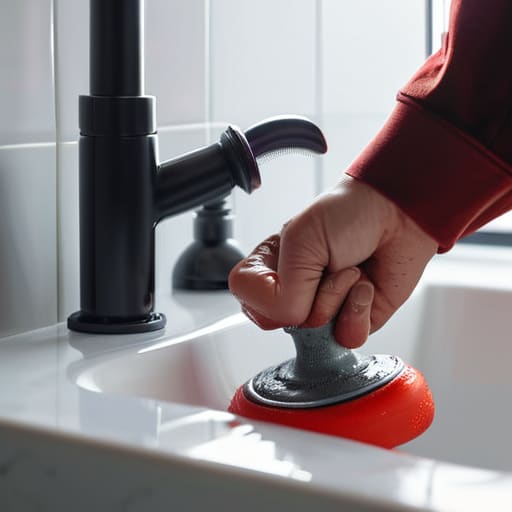
Sometimes, the most straightforward tools are the ones we overlook, and the plunger is no exception. If you’re dealing with a stubborn sink, you can’t just go to town with random movements; you need a bit of strategy. When applying plunger techniques for sinks, the secret is actually the seal. For a bathroom sink, try blocking the overflow hole with a damp rag first. This prevents the air from escaping and ensures that all that pressure you’re building up is actually directed toward the clog. Think of it like trying to blow air through a straw with a hole in the side—you’re just wasting energy!
If the plunger isn’t doing the trick, don’t panic or immediately reach for the heavy chemicals. Before you escalate to more intense methods, I always suggest trying a gentle baking soda and vinegar drain method to see if you can break things up naturally. It’s a bit like a science experiment in your own kitchen, but it can be incredibly effective for organic buildup. If that still fails, it might be time to get your hands a little dirtier and look into cleaning a P-trap or using a mechanical tool, but let’s try the gentle approach first.
Natural Drain Cleaner Recipes for a Simpler Home
Sometimes, when I’m tinkering with my DIY home automation setups, I realize that the best solutions aren’t always the most high-tech ones. When it comes to your pipes, sometimes the most effective “software update” is actually just a bit of kitchen chemistry. If you’ve already tried your plunger techniques for sinks and things are still feeling a bit sluggish, I highly recommend leaning into some natural drain cleaner recipes before reaching for those harsh, caustic chemicals that can wreak havoc on your plumbing.
My absolute favorite go-to is the classic baking soda and vinegar drain method. It sounds almost too simple, right? But there is actual science at play here! When those two react, they create a fizzy, bubbling effervescence that can help loosen up organic gunk and soap scum. Just pour half a cup of baking soda down the drain, follow it with half a cup of white vinegar, and let it work its magic for about fifteen minutes before flushing it with boiling water. It’s a gentle yet surprisingly effective way to restore your flow without turning your bathroom into a hazardous waste zone.
Pro-Tips for Keeping Your Pipes Happy (and Your Sanity Intact)
- Think of your drain like a digital cache; sometimes it just needs a periodic “clear all.” Once you’ve cleared a clog, pour a kettle of boiling water down the pipe to melt away any lingering soap scum or grease before it can build up again.
- Don’t wait for the “slow drain” warning sign. I’m a big believer in preventative maintenance—installing a simple mesh strainer is like setting an automated rule in your calendar; it stops the problem before it even starts.
- If you’re reaching for chemical cleaners, please be careful! They can be pretty harsh on older pipes. I always prefer the “low-tech” approach first, like using a zip tool to fish out hair, because it’s safer for your plumbing and your environment.
- Keep a “drain toolkit” handy so you aren’t scrambling when things go south. Having a plunger, a small hand auger, and some baking soda tucked away under the sink turns a potential household crisis into a manageable 10-minute task.
- Watch what you’re “uploading” into your pipes. Just like you wouldn’t dump junk data into a clean database, avoid pouring cooking oils or coffee grounds down the sink. They’re the ultimate system disruptors for your plumbing.
Quick Wins for a Clearer Sink
Don’t wait for a total backup to act; catching a slow drain early with a simple plunger session or a natural cleaner can save you from a much bigger headache later.
Think of your drain like a complex system—when one part gets clogged, the whole flow stops, so always address the source rather than just treating the symptoms.
Keep your DIY toolkit handy with a few eco-friendly ingredients on hand so you can solve the problem quickly and get back to your actual life.
The Flow of Life
“Think of a clogged drain like a glitch in your daily operating system; it’s a frustrating bottleneck, but once you apply the right logic and a little bit of patience, you can restore the flow and get back to the things that actually matter.”
Jordan Bennett
Finding Your Flow Again
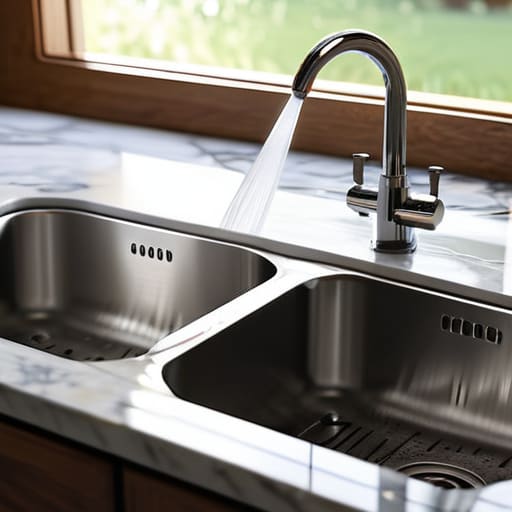
At the end of the day, tackling a clogged drain is a lot like debugging a messy piece of code; it’s all about identifying the bottleneck and applying the right tool for the job. Whether you decided to go the mechanical route with a well-placed plunger, or you opted for a gentler, eco-friendly approach using natural household ingredients, you’ve successfully navigated a common household hurdle. Remember that the key is patience—rushing through the process can sometimes lead to more frustration or even damage to your pipes. By combining these practical techniques with a bit of methodical troubleshooting, you’ve moved from being stuck in a mess to restoring the smooth flow of your daily routine.
I know that a slow drain can feel like a tiny, nagging glitch in the system of your life, pulling your focus away from the things that actually matter. But once that water starts swirling freely again, it’s more than just a plumbing fix; it’s a small victory in your quest to maintain an efficient, harmonious home. Don’t let these little hiccups discourage you. Life is constantly throwing us unexpected puzzles, but you now have the tools to solve them one step at a time. Keep optimizing, keep tinkering, and most importantly, keep moving forward with confidence!
Frequently Asked Questions
Is it safe to use chemical drain cleaners if I've already tried the natural baking soda and vinegar method?
That’s a great question, and I totally get the urge to reach for the heavy hitters when the natural stuff doesn’t do the trick. Honestly? I’d be careful. If there’s still a pool of vinegar and baking soda sitting in that pipe, adding harsh chemicals can cause a nasty reaction—sometimes even releasing fumes or heat that can damage your plumbing. Let’s try a plunger or a zip tool first before we go the chemical route!
How do I know if my clog is just a simple buildup or if I’m looking at a much bigger plumbing issue down the line?
Think of it like a glitch in a piece of software: sometimes it’s just a minor bug you can patch, and other times, the whole system is crashing. If the water is just draining slowly, it’s likely just some simple buildup. But if you notice gurgling sounds from other pipes, multiple drains backing up at once, or a funky smell, that’s a red flag. That usually means the clog is deeper in your main line.
Can I use a handheld drain snake on my kitchen sink without accidentally damaging the pipes?
That’s a great question, and honestly, it’s one I’ve asked myself a dozen times while tinkering with my own plumbing! The short answer is: yes, you can, but you have to be gentle. Think of it like debugging code—you don’t want to force a solution and break the system. Avoid using heavy-duty industrial snakes; a small, handheld one is perfect for kitchen pipes. Just take it slow, feel for resistance, and never force it!