Concrete Craft Ideas That Look Modern and Cost Pennies
Have you ever stared at a blank shelf or a cluttered desk and felt like your space was just… missing something? I get it. Between managing a hectic workflow and trying to maintain a sense of zen at home, finding that perfect balance between functionality and style can feel like a massive puzzle. I used to think that high-end home decor required a massive budget or a degree in interior design, but my background in systems optimization taught me otherwise. Sometimes, the most elegant solutions come from the most unexpected materials. Lately, I’ve been obsessed with how versatile and grounding raw elements can be, which is why I’ve been diving deep into the world of concrete craft ideas to transform my living space.
In this post, I’m stripping away the complexity to show you how easy it is to build your own custom accents. I’ve curated five specific, beginner-friendly projects that bridge the gap between industrial chic and cozy comfort. Whether you want to organize your tech cables or simply add a bit of texture to your coffee table, these steps will help you piece together a more intentional home without the stress. Let’s get crafting!
Table of Contents
Minimalist Desk Organizers
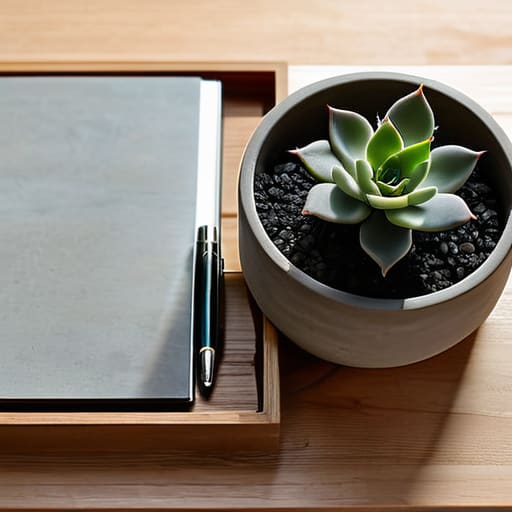
As someone who spent years staring at tangled charging cables and a mountain of sticky notes, I quickly learned that a cluttered workspace is a direct ticket to a cluttered mind. I started experimenting with small concrete molds to create sleek, heavy-duty trays for my pens and paperclips. There’s something incredibly satisfying about the weight of a piece of concrete; it feels grounding and intentional, unlike the flimsy plastic organizers we’re all used to seeing.
Modern Succulent Planters
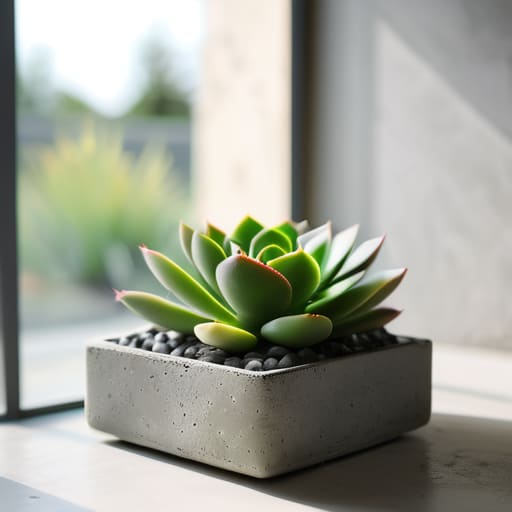
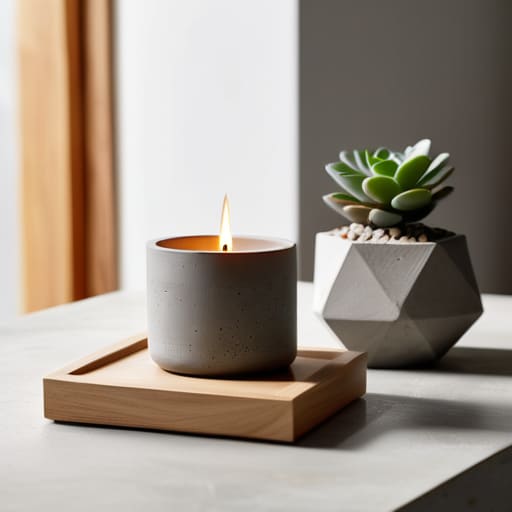
I’ve always been a bit of a “plant parent,” but my track record isn’t always stellar. One thing I’ve realized is that the right vessel can actually make a difference in how much you care for them. Concrete planters are perfect for succulents because they offer a raw, industrial aesthetic that contrasts beautifully with the soft, organic curves of a little green sprout. Plus, the porous nature of concrete helps with drainage, which is a total lifesaver for beginners.
Industrial Candle Holders
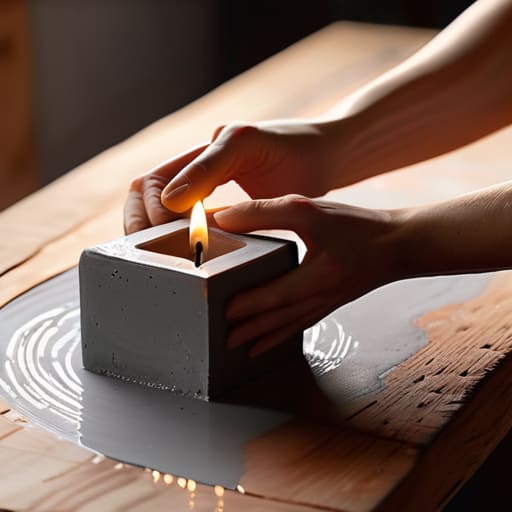
There is a specific kind of magic in the ritual of lighting a candle at the end of a long workday to signal to your brain that it’s time to unwind. I started making my own concrete candle holders because I wanted something that felt more permanent and substantial than the glass jars you find at big-box stores. The process of pouring the liquid stone is almost meditative in itself, requiring a level of patience that I find really helps me disconnect from my digital screens.
Geometric Coaster Sets
We’ve all been there: you’re deep in a flow state, working on a complex project, and you reach for your coffee only to realize you’ve left a ring on your wooden desk. My solution was to engineer a set of geometric concrete coasters. I find that having a sturdy, heat-resistant surface for my mugs actually helps me stay more focused because I’m not constantly worrying about protecting my furniture.
Statement Bookends
My bookshelf is essentially my external hard drive—it’s where I store all the “data” and inspiration I’ve gathered over the years. However, a collection of heavy hardcovers can easily become a leaning tower of chaos without some serious support. I decided to craft some oversized, brutalist-style concrete bookends to keep everything neat and perfectly aligned.
Small Steps to a More Inspired Space
Don’t feel like you need a master craftsman’s workshop to start; concrete DIY is all about experimenting with simple molds to see what sticks.
Think of these projects as tiny, manageable “efficiency wins” for your home decor that bring a sense of tactile calm to your environment.
The beauty of concrete lies in its imperfections, so embrace the little quirks in your finished pieces—they’re just part of the unique puzzle of your home.
## Finding Beauty in the Build
“Think of concrete not just as a building material, but as a blank canvas for your daily rituals; by taking a little time to craft something tactile and permanent, you’re essentially building small, beautiful anchors into the chaos of a fast-paced life.”
Jordan Bennett
Piece It All Together
Looking back at these five projects, it’s amazing how much potential is hidden in a simple bag of concrete. Whether you decided to cast some sleek minimalist planters to brighten your workspace, or you went all out with custom geometric candle holders, you’ve essentially taken a raw, industrial material and turned it into something deeply personal. Each of these ideas serves as a reminder that you don’t need a massive workshop or expensive machinery to create something high-end; you just need a little bit of patience and the right systematic approach to your DIY process. By breaking these crafts down into manageable steps, you’ve turned what could have been a messy chore into a rewarding creative outlet that fits perfectly into even the busiest schedule.
At the end of the day, I like to think of home decor as just another system we can optimize for joy. Your living space shouldn’t just be a place where you store your things; it should be a reflection of your unique personality and the effort you put into making life beautiful. Don’t worry if your first few molds aren’t absolutely perfect—even the best software has a few bugs in the beta phase! The real magic lies in the act of creating and the satisfaction of seeing a finished piece sitting on your shelf. So, grab your notebook, pick a project, and start piecing together your dream home, one small, concrete step at a time.
Frequently Asked Questions
Do I need special professional equipment to get a smooth finish, or can I do this with basic household tools?
Honestly, you don’t need a heavy-duty industrial setup to get great results! I used to think you needed fancy machinery to get that sleek look, but it’s really about the technique. A simple handheld trowel or even a flat piece of scrap wood can work wonders. If you want to level up, a small piece of fine-grit sandpaper is your best friend for smoothing out edges. It’s all about patience, not pricey gear.
How do I stop my concrete projects from cracking or crumbling after they've dried?
Ugh, the heartbreak of seeing a beautiful piece crack right after you’ve finished it—I’ve been there! It’s like a bug in a piece of code you thought you’d squashed. Usually, it’s all about the curing process. Try keeping your projects in a cool, shaded spot and lightly misting them with water to slow down the drying. Also, don’t skip the reinforcement! Adding a bit of mesh or fiber can act like a structural backbone to keep everything solid.
What's the best way to seal my concrete pieces so they don't leave dusty residue on my furniture?
Oh, I’ve been there! There is nothing more frustrating than finishing a beautiful piece only to have it leave a gray, dusty smudge on your favorite wooden coffee table. To stop that “concrete dust” headache, you really need a high-quality penetrating sealer or a topical acrylic sealer. I usually opt for a matte finish to keep that raw, industrial look. Just make sure the piece is bone-dry before applying—think of it like prepping a canvas!