How to Lower Your Food Costs Without Eating Ramen
I remember standing in the middle of the grocery aisle last Tuesday, staring at a carton of eggs that cost more than my morning latte, and feeling that familiar, sinking sensation in my chest. It felt like every trip to the store was becoming a high-stakes math problem I was destined to fail. We’ve all been told that the secret to saving is some magical, complex system of coupon clipping or buying obscure bulk grains that end up rotting in the back of the pantry, but honestly? That’s just noise. If you’re looking for a way to figure out how to lower food costs without turning your kitchen into a second full-time job, you aren’t alone, and you definitely don’t need a PhD in economics to get it right.
I’m not here to sell you on some unrealistic lifestyle overhaul or a diet of nothing but lentils. Instead, I want to help you apply a little bit of systems thinking to your kitchen routine. I’m going to share the practical, battle-tested strategies I’ve used to streamline my own spending—from optimizing my weekly meal architecture to leveraging small tech hacks that prevent waste. My goal is to help you solve this grocery puzzle so you can stop stressing over every receipt and start thriving on your own terms.
Table of Contents
- Mastering Smart Grocery List Strategies for Faster Wins
- Leveraging Bulk Buying Benefits to Piece Together Savings
- Five More Pieces to Your Budget-Friendly Food Puzzle
- My Top Three Pieces to Solve the Grocery Puzzle
- ## The Core Logic of the Kitchen Budget
- Piecing Together Your Financial Success
- Frequently Asked Questions
Mastering Smart Grocery List Strategies for Faster Wins
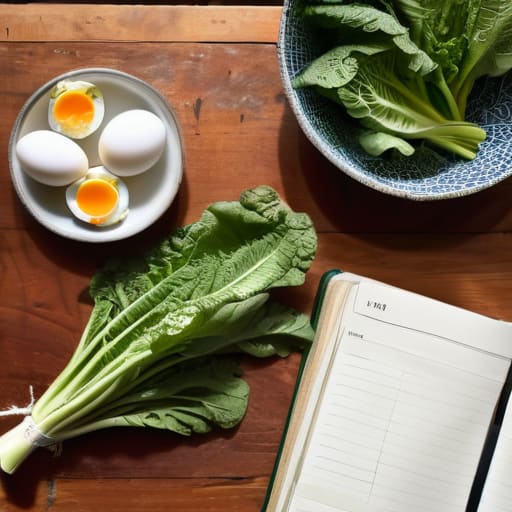
Think of your grocery list as the blueprint for your week’s success. When I was working in software engineering, I learned that a poorly defined scope leads to massive “scope creep”—and that is exactly what happens when you walk into a store without a plan. You start looking for a head of lettuce and end up with a gourmet cheese platter and three types of artisanal crackers you didn’t need. By prioritizing meal planning for savings, you turn that chaotic wandering into a targeted mission. I always keep my little notebook handy to jot down what’s actually in my fridge before I even think about hitting the aisles; it’s the simplest way to ensure I’m only buying what I’ll actually use.
Once you have your roadmap, the real magic happens in how you organize those items. I’m a huge fan of grouping your list by store layout to minimize backtracking—it’s basically optimizing your physical workflow. While you’re at it, try to lean heavily on affordable pantry staples like grains, beans, and canned tomatoes. These act as the “base code” for dozens of different meals, giving you endless flexibility without the high price tag.
Leveraging Bulk Buying Benefits to Piece Together Savings
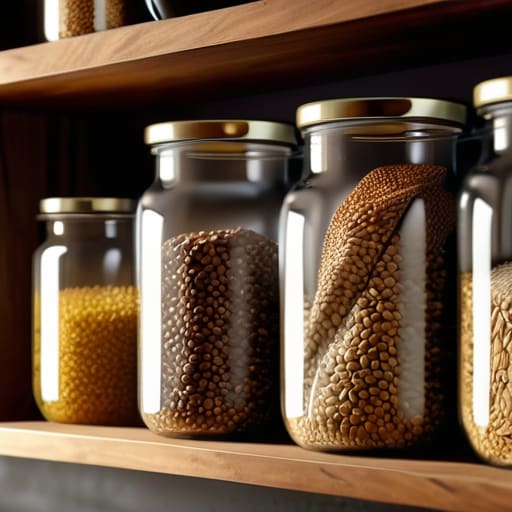
Think of bulk buying as a way to “batch process” your kitchen expenses, much like how I used to optimize code to run more efficiently. When you lean into the bulk buying benefits, you aren’t just grabbing everything in sight; you’re strategically investing in items that have a long shelf life. I’m talking about those affordable pantry staples—think dried lentils, quinoa, oats, or even high-quality olive oil. By picking these up in larger quantities, you significantly drop the price per unit, which feels like a massive win for your long-term budget.
However, there’s a little logic trap here that I see people fall into all the time. If you buy a massive bag of spinach just because it’s cheap, but half of it turns into green sludge in your crisper drawer, you haven’t saved anything—you’ve actually wasted money. The secret to successful grocery shopping on a budget via bulk stores is balancing volume with longevity. My rule of thumb? Only go big on the dry goods or the stuff you know your household consumes daily. It’s all about finding that sweet spot where the savings actually stick.
Five More Pieces to Your Budget-Friendly Food Puzzle
- Embrace the “Shop Your Pantry” Challenge. Before you even touch your grocery list, spend ten minutes playing detective in your own kitchen. I always find that I have a half-bag of lentils or a random can of chickpeas hiding in the back of the cupboard. Building a meal around what you already own is like finding a missing puzzle piece you thought was lost forever—it saves money and clears out the clutter!
- Master the Art of Seasonal Sourcing. Think of the seasons as a natural rhythm for your budget. When berries are in season, they’re delicious and cheap; when they aren’t, you’re paying a premium for the logistics. I like to treat my grocery shopping like a little seasonal scavenger hunt, picking up whatever produce is currently peaking in flavor and affordability.
- Don’t Underestimate the Power of Meal Prepping. This isn’t just about Tupperware containers; it’s about mental bandwidth. When I’m tired after a long day, I tend to make impulse buys or order takeout because the “decision fatigue” is real. By prepping a few versatile staples on a Sunday, you’re essentially pre-installing a productivity hack for your hunger.
- Swap Brand Names for Store Labels. I know, I know—it feels a little unglamorous. But as a former engineer, I look at the specs: if the ingredients list for the generic pasta is identical to the name brand, why pay the “brand tax”? It’s a simple optimization that adds up to significant savings over a month.
- Use Technology to Track Your Trends. I’m a huge fan of using simple apps or even a quick note in my phone to track what I’m actually spending. If you notice you’re spending $40 a month on specialty snacks that don’t actually fuel you, you can pivot those resources toward something more meaningful. It’s all about data-driven deliciousness!
My Top Three Pieces to Solve the Grocery Puzzle
Treat your grocery list like a well-oiled piece of code; by planning around what you already have in your pantry, you eliminate the “bugs” of impulse buys and wasted ingredients.
Think of bulk buying as a long-term investment in your efficiency, but only pull the trigger on non-perishables to ensure you aren’t just stockpiling future waste.
Small, incremental optimizations—like switching to store brands or timing your trips—might seem minor, but they compound over time into massive savings for your budget.
## The Core Logic of the Kitchen Budget
“Think of your grocery budget not as a restriction, but as a system to be optimized; when you stop buying for convenience and start shopping for strategy, you’re not just saving pennies, you’re reclaiming your time and mental energy.”
Jordan Bennett
Piecing Together Your Financial Success
At the end of the day, lowering your food costs isn’t about deprivation or living on bland noodles; it’s about applying a little bit of systematic thinking to your kitchen. We’ve looked at how tightening up your grocery lists can prevent those dreaded impulse buys and how leveraging bulk buying can turn your pantry into a well-oiled machine of savings. When you treat your meal planning like a small, manageable project rather than a chaotic chore, you stop leaking money and start seeing real results. It’s all about building better habits that work with your lifestyle, not against it, so you can reclaim that extra cash for the things that actually bring you joy.
I know that staring at a mounting grocery bill can feel overwhelming, like you’re trying to solve a puzzle with half the pieces missing. But remember, you don’t have to overhaul your entire life overnight. Start with just one small tweak this week—maybe it’s a more intentional list or a single bulk purchase—and watch how those tiny wins begin to stack up. You have the power to optimize your routine and take control of your resources. Keep experimenting, keep tweaking your “system,” and most importantly, keep believing that small changes lead to big transformations. You’ve got this!
Frequently Asked Questions
How do I balance buying in bulk with the risk of food waste if I live alone or in a small household?
This is such a common puzzle! When you’re flying solo, a giant bag of spinach can feel more like a ticking time bomb than a bargain. My trick? Treat bulk buying like a modular system. Focus on “shelf-stable” wins—grains, frozen veggies, or spices—that won’t expire by Tuesday. If you do go fresh, shop for versatile ingredients you can repurpose. Think: a big bag of carrots becomes roasted snacks today and a base for soup tomorrow!
Are there any specific tech tools or apps you recommend for tracking my grocery spending without it feeling like a second job?
Honestly, I totally get it—if tracking feels like a chore, you’ll eventually stop doing it. I’m a big fan of using YNAB (You Need A Budget) because it turns spending into a visual game, but if you want something lighter, try Rocket Money to automate the heavy lifting. For a DIY approach, I love a simple shared Google Sheet with a quick shortcut on my phone’s home screen. Keep it low-friction so it stays a tool, not a task!
When I'm looking at a grocery list, how can I tell if a "sale" is actually a good deal or just clever marketing?
Think of it like a bug in a piece of software—it looks like a feature, but it’s actually just noise. To spot the real wins, ignore the bright “SALE!” stickers and look straight at the unit price on the shelf tag. That’s the only data point that matters. If the price per ounce isn’t significantly lower than the brand-name version or the non-sale alternative, it’s just clever marketing trying to hijack your brain!