
How to Choose the Right Tech for Your Home
I remember sitting on my living room floor three years ago, surrounded by three different smart hubs, a tangle of charging cables, and a mounting sense of frustration. I had spent a small fortune trying to “optimize” my space, but instead of a seamless sanctuary, I had created a digital headache that required a PhD just to dim the lights. Most tech influencers will tell you that you need the latest, most expensive ecosystem to live the dream, but honestly? That’s just noise. Learning how to choose tech for your home shouldn’t feel like a full-time job or a way to drain your savings account.
I’m not here to sell you on the hype or push some shiny, overpriced gadget that will be obsolete by next Tuesday. My goal is to help you strip away the clutter and focus on intentional integration. I’m going to share the exact framework I use to evaluate devices, ensuring every piece of hardware actually serves a purpose in your daily flow. We’re going to solve this puzzle together by finding the simple, effective solutions that make your life run smoother, not more complicated.
Table of Contents
- Mastering Smart Home Ecosystem Compatibility
- Smart Home Automation Budget Planning Strategies
- My Five Golden Rules for Picking the Right Tech (Without the Headache)
- The Quick Cheat Sheet for Your Smart Home Journey
- ## The Golden Rule of Tech Integration
- Solving Your Personal Tech Puzzle
- Frequently Asked Questions
Mastering Smart Home Ecosystem Compatibility

Think of your smart home like a dinner party. You wouldn’t invite a heavy metal band, a classical quartet, and a toddler birthday party all to the same small living room and expect them to vibe, right? The same logic applies to your gadgets. When we talk about smart home ecosystem compatibility, we’re really talking about making sure your devices speak the same language. If your smart lights only play nice with Apple, but your smart lock is strictly a Google fan, you’re going to end up with a digital Tower of Babel. I always tell my clients to pick a “primary language”—whether that’s Alexa, Google Home, or Apple HomeKit—before they buy a single bulb.
Once you’ve picked your camp, the real magic happens when you start integrating smart devices that actually talk to one another to create “scenes.” Imagine telling your hub “I’m heading out,” and suddenly the lights dim, the thermostat adjusts, and the security system arms itself. It’s that seamless handoff that makes the tech feel like a helpful assistant rather than a collection of expensive paperweights. Just remember: don’t chase every shiny new toy; focus on building a cohesive foundation first.
Smart Home Automation Budget Planning Strategies
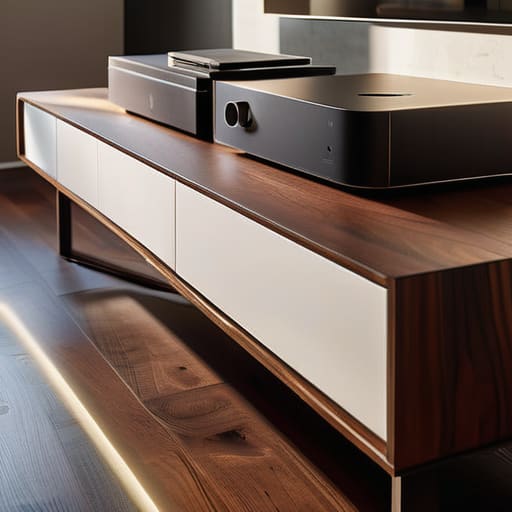
Let’s talk numbers, because I’ve seen too many people dive into a tech spree only to realize they’ve built a very expensive collection of paperweights. When it comes to home automation budget planning, I always tell my clients to think like a software engineer: start with the core architecture before you start adding the flashy features. Instead of trying to automate every single lightbulb in the house on day one, focus your initial investment on the “brains” of the operation—your central hub or smart speaker. Getting that foundation right ensures that when you eventually start integrating smart devices later on, you aren’t constantly hitting a wall of unexpected costs or compatibility headaches.
I like to use the “Layer Cake Method” for my DIY projects. The bottom layer is your infrastructure—things like a robust router to support your growing network. The middle layer is your utility, such as smart thermostats or plugs that actually save you money on utilities. The top layer? That’s the fun stuff, like automated blinds or smart lighting scenes. By prioritizing functional value over novelty, you ensure your tech actually serves your lifestyle rather than just draining your savings account.
My Five Golden Rules for Picking the Right Tech (Without the Headache)
- Start with your “Why” before your “What.” Before you go down a rabbit hole of shiny new gadgets, ask yourself: what actual problem am I trying to solve? If you’re buying a smart plug just because it looks cool, but you don’t actually have a device that needs automating, it’s just more digital clutter in your life.
- Think in terms of “Ecosystems,” not individual devices. I learned this the hard way during my engineering days—buying a random smart bulb that won’t talk to your smart speaker is like trying to fit a square peg in a round hole. Stick to a platform (like Matter, HomeKit, or Alexa) so your devices actually play nice together.
- Prioritize “Invisible Tech.” The best automation is the kind you don’t even notice. Instead of a flashy screen that demands your attention, look for sensors or switches that handle things in the background—like lights that dim automatically when you start a movie. If it requires a manual every time you use it, it’s not simplifying your life; it’s adding a chore.
- Don’t forget the “Manual Override” rule. This is a big one for me. Never buy a piece of tech that makes your home less functional if the Wi-Fi goes down. If you can’t turn on your kitchen lights with a physical switch during an internet outage, you haven’t built a smart home; you’ve built a high-tech trap.
- Scale like a pro—start small and modular. You don’t need to automate your entire house by next Tuesday. Think of it like building a Lego set; start with one room or one specific task (like smart lighting in the entryway) and master that before you move on to the next piece of the puzzle.
The Quick Cheat Sheet for Your Smart Home Journey
Prioritize “ecosystem first”—before you buy a single gadget, decide if you’re a Google, Alexa, or Apple person so everything actually talks to each other without a headache.
Build your budget in layers, starting with high-impact essentials like smart lighting or thermostats rather than trying to automate your entire house in one expensive go.
Focus on solving real friction points in your daily routine; if a piece of tech doesn’t actually save you time or mental energy, it’s just a shiny distraction you don’t need.
## The Golden Rule of Tech Integration
“Don’t buy gadgets just because they have a shiny app; buy them because they solve a friction point in your actual, messy, real-world life. If a piece of tech adds more steps to your morning routine than it takes away, it’s not a tool—it’s just more digital clutter.”
Jordan Bennett
Solving Your Personal Tech Puzzle
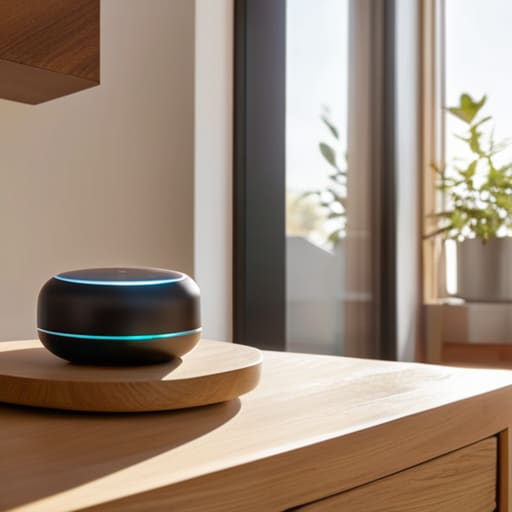
At the end of the day, building a smart home isn’t about collecting every shiny new gadget that hits the market; it’s about making sure your devices actually talk to one another. We’ve looked at how to navigate the tricky waters of ecosystem compatibility, how to build a realistic budget that won’t leave you feeling broke, and how to prioritize the tools that solve actual problems in your life. Remember, the goal is to create a seamless environment where your technology works for you, rather than you spending your entire weekend troubleshooting a lightbulb that refuses to connect. Keep your focus on integration and intentionality to ensure every piece of tech you add serves a specific purpose in your daily routine.
I know that staring at a long list of smart plugs, hubs, and sensors can feel a little overwhelming, like looking at a thousand-piece jigsaw puzzle without the picture on the box. But take a deep breath—you don’t have to solve it all by tomorrow morning. Start small, experiment with one or two devices, and let your home evolve naturally alongside your needs. Technology should be a tool for liberation, not a chore, helping you reclaim those precious minutes so you can focus on what truly matters. You’ve got this, and I can’t wait to see how you piece your perfect, automated life together!
Frequently Asked Questions
I've got a mix of old and new devices; how do I know if my current tech will actually play nice with the new smart stuff I'm buying?
Think of your home like a dinner party; you wouldn’t invite a guest who refuses to speak the same language as everyone else! To see if your old gear can join the party, look for “bridge” devices or hubs that act as translators. Check if your current tech supports standard protocols like Zigbee or Matter. If it’s a total dinosaur, don’t sweat it—sometimes it’s easier to let it retire gracefully than to force a connection.
Is it better to go all-in on one big brand right away, or should I start small with different gadgets and see what sticks?
Honestly? I’m a huge advocate for starting small. Think of it like building a LEGO set—you don’t need the massive, expensive castle on day one; you just need a few foundational bricks to see how they click together. Grab a couple of smart plugs or a single bulb, test the waters, and see which ecosystem actually feels intuitive to your daily flow. It prevents “gadget fatigue” and keeps your budget from vanishing overnight!
How much time am I actually going to have to spend setting this all up and troubleshooting it every time there's an update?
I totally hear you—the “tech tax” is real. If you go overboard with mismatched gadgets, you’ll end up feeling more like an unpaid IT technician than a homeowner. But here’s the secret: if you stick to a unified ecosystem (like Apple Home or Google Home), most updates happen silently in the background. Expect a few hours of initial setup, and maybe a weekend of tinkering every few months. Keep it simple, and the tech works for you, not the other way around.