The 10-minute Weekly Review That Keeps You on Track
I used to think that mastering my schedule required a $50 leather-bound planner and a complex, multi-step ritual involving color-coded stickers and expensive tea. Honestly? That’s just productivity theater, and it’s exhausting. I spent years in the tech world watching people build these massive, over-engineered systems only to abandon them by Tuesday because they were too heavy to actually use. When people ask me how to reflect on your week, they’re usually looking for a way to fix their lives, not a way to add more chores to their to-do list. We need to stop treating our time like a math problem that requires a supercomputer and start treating it like a puzzle that just needs a little bit of intentional breathing room.
I’m not here to sell you on a complicated framework or a lifestyle overhaul that feels like a second job. Instead, I want to share the stripped-back, no-nonsense approach I use to make sense of the chaos. I’ll show you how to look at your recent wins and stumbles without the guilt, helping you piece together a strategy that actually works for your real life.
Table of Contents
- Using Weekly Review Prompts to Find Missing Pieces
- Mastering Productivity Review Methods for Clearer Days
- Small Tweaks to Keep Your Weekly Puzzle from Getting Messy
- The Big Picture: Three Ways to Keep Your Puzzle Moving
- The View from Above
- Piecing Together Your Next Big Win
- Frequently Asked Questions
Using Weekly Review Prompts to Find Missing Pieces
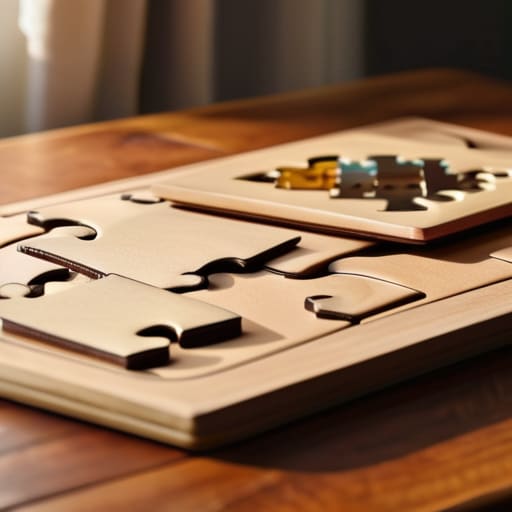
Sometimes, staring at a blank page feels a bit like looking at a box of 1,000 puzzle pieces scattered across a table—you know there’s a picture there, but you just can’t see where the edges are. This is exactly where weekly review prompts come in to save the day. Instead of wondering, “What did I even do this week?”, these prompts act like a guide, pointing you toward the specific corners and centerpieces you might have missed. They turn a vague sense of “being busy” into a structured way to see if your actions actually aligned with your intentions.
I love using a mix of mindful journaling techniques to dig a little deeper than just checking off a to-do list. I might ask myself, “What was my biggest energy drain this week?” or “When did I feel most in flow?” By answering these, you aren’t just documenting tasks; you’re engaging in a form of personal growth tracking that reveals the patterns behind your behavior. It’s about finding those tiny, crucial pieces—like a recurring afternoon slump or a sudden burst of creativity—that help you build a much clearer picture of your life.
Mastering Productivity Review Methods for Clearer Days

Now that you’ve got your prompts ready, it’s time to talk about the actual “how” of the process. I like to think of different productivity review methods as different types of lenses for a camera; some give you a wide-angle view of your entire life, while others zoom in on the tiny, gritty details of your daily habits. If you’re feeling overwhelmed, a high-level scan is great. But if you feel like you’re spinning your wheels without making progress, you might need to switch to a more granular approach.
For me, I’ve found that blending a few different styles works best. I often pair a quick weekly goal assessment with some light mindful journaling techniques to capture the emotional side of things. It’s not just about checking boxes on a to-do list; it’s about noticing if you actually felt energized by the work you did. By mixing structured data with a bit of intuitive reflection, you create a feedback loop that doesn’t just tell you what happened, but why it matters for your future self.
Small Tweaks to Keep Your Weekly Puzzle from Getting Messy
- Schedule it like a non-negotiable coffee date. I used to treat my weekly review like a “maybe” task, something I’d do if I wasn’t too tired. Big mistake! If you don’t put it on your calendar, it’ll get swallowed by the chaos of your inbox. Treat it like a meeting with your most important client: yourself.
- Grab a physical notebook to clear the mental clutter. Even though I spent a decade staring at code, there’s something about the tactile feel of pen on paper that helps me process things differently. When I’m stuck, I step away from the screen and scribble. It helps separate “doing” mode from “thinking” mode.
- Don’t just track your wins; audit your “energy leaks.” It’s easy to check off a to-do list, but did those tasks actually leave you feeling energized or totally drained? I like to look for the patterns—like that Tuesday afternoon slump—so I can rearrange my puzzle pieces more intelligently next week.
- Keep your review space cozy and distraction-free. If you try to reflect while sitting in the same chair where you answer frantic Slack messages, your brain won’t switch gears. Move to a different chair, put on some lo-fi beats, or head to a local cafe. You need a change in “system state” to really see the big picture.
- Aim for progress, not perfection. Some weeks are going to feel like a total jumble of mismatched pieces, and that’s okay. The goal of a weekly reflection isn’t to create a flawless life; it’s just to get a little bit more clarity than you had seven days ago. Just keep tweaking the pieces!
The Big Picture: Three Ways to Keep Your Puzzle Moving
Don’t treat your review like a chore or a performance review; think of it as a quick pit stop to refuel and realign so you don’t crash into next week.
Use specific prompts to dig into the “why” behind your wins and stumbles, rather than just listing what you did, so you can actually spot the patterns.
Keep your system lightweight—the best review method is the one you actually stick to, even on those weeks when life feels a little chaotic.
The View from Above
“Think of your weekly review not as a chore on a to-do list, but as a chance to step back from the messy details and see the whole picture—it’s much easier to solve the puzzle when you aren’t staring at just one tiny piece.”
Jordan Bennett
Piecing Together Your Next Big Win

At the end of the day, reflecting on your week isn’t about judging yourself for the tasks that fell through the cracks or the hours that slipped away. It’s about using those prompts to uncover your blind spots and choosing a review method that actually fits your unique rhythm. Whether you’re deep-diving into data or just jotting down quick thoughts in your notebook, the goal is to stop reacting to life and start designing it. When you take the time to look at the pieces of your week, you aren’t just looking backward; you are building a blueprint for a much smoother Monday.
I know it can feel like just another thing on your to-do list, but I promise you, this small investment of time pays massive dividends in peace of mind. Think of it as a little bit of maintenance for your brain—kind of like how I tinker with my home automation to keep things running smoothly behind the scenes. You don’t have to get it perfect right out of the gate, and you certainly don’t need a complicated system to see results. Just show up, be honest with yourself, and remember that every week is a fresh puzzle waiting to be solved. You’ve got this!
Frequently Asked Questions
How much time should I actually spend on this without it turning into another chore on my to-do list?
I totally get it—the last thing we need is another “task” looming over our heads like a dark cloud. Honestly? Aim for 20 to 30 minutes. Think of it like a quick pit stop during a race rather than a full engine overhaul. If you start spiraling into deep-dive analysis, pull yourself back. It’s about finding that sweet spot where you get enough clarity to move forward without feeling like you’re stuck in a meeting with yourself.
What if I had a really rough week and I don't even know where to start with the reflection?
Oh, I have been there—honestly, more times than I’d like to admit. When the week feels like a pile of broken puzzle pieces, don’t try to solve the whole thing at once. Just start with one tiny thing: grab that notebook of mine and vent. Write down three things that felt heavy. That’s it. Once you get the “clutter” out of your head and onto paper, the patterns usually start to reveal themselves.
Do I need to use a specific app or notebook to track these reflections, or can I just wing it?
Honestly? You can totally wing it, but there’s a catch. If you don’t capture those “aha!” moments, they tend to evaporate like steam from a morning coffee. I’m a huge fan of my trusty little notebook for that tactile feel, but a simple notes app works wonders too. The tool doesn’t matter nearly as much as the habit. Just pick whatever feels least like a chore so you actually stick with it!