
How to Build Real Relationships at Work
I still remember sitting in a glass-walled conference room during my early days as a software engineer, staring at my lukewarm coffee and feeling like a complete outsider. I had the technical skills down, but I felt like I was trying to solve a complex coding bug without any documentation; I just didn’t know how to bridge the gap between my screen and the people sitting around me. Most “career gurus” will tell you that learning how to build work relationships requires expensive networking mixers or a calculated, high-stakes persona, but honestly? That’s just noise. In reality, those polished, superficial tactics usually just make you feel more disconnected from the very people you’re trying to reach.
I’m not here to give you a textbook lecture on corporate politics or a list of empty platitudes. Instead, I want to help you look at your office culture as a system that can be optimized through small, intentional tweaks. I’m going to share the practical, low-friction strategies I’ve gathered from years in the tech trenches to help you connect with your colleagues in a way that feels actually authentic. Let’s stop overcomplicating the process and start piecing together a professional network that truly supports you.
Table of Contents
Mastering Professional Networking Skills With Ease

I like to think of professional networking not as this scary, high-stakes performance, but rather like setting up a new automation script: it’s all about creating smooth, repeatable connections. Instead of seeing a crowded conference or a busy breakroom as a daunting obstacle, try viewing it as an opportunity to refine your professional networking skills through small, intentional interactions. It doesn’t have to be a grand gesture; sometimes, just asking a colleague about their weekend or their favorite way to tackle a heavy workload is enough to start the gears turning.
Once those initial connections are made, the real magic happens when you focus on building trust with colleagues through consistency. Think of it like a DIY project—you can’t just slap two pieces together and expect them to hold; you need the right glue. In the office, that glue is often emotional intelligence at work. By being mindful of how your words land and truly listening to what others are saying, you aren’t just talking; you’re actually learning how to fit into the larger puzzle of your company’s culture.
Building Trust With Colleagues Through Small Wins
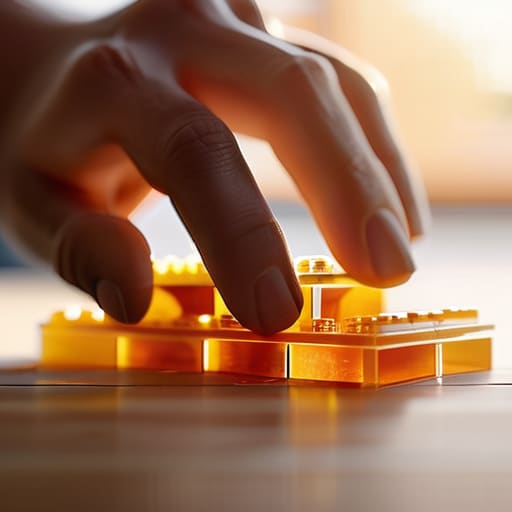
Think of trust not as a massive, heavy boulder you have to move all at once, but rather as a series of tiny, interlocking Lego bricks. You don’t build a skyscraper by dropping a single giant slab of concrete; you do it one small piece at a time. In the office, this translates to those “micro-moments” of reliability. When you say you’ll send that follow-up email by 3 PM and you actually do it, you aren’t just clearing a task—you’re building trust with colleagues through consistency. It’s about proving that your word is your bond in the smallest, most mundane ways.
I’ve found that these little victories are the secret sauce to navigating office dynamics without feeling like you’re playing a high-stakes game of chess. Whether it’s offering a quick bit of feedback or simply being the person who shows up prepared for a meeting, these actions act as the glue for fostering team cohesion. When people know they can count on you for the small stuff, they’ll naturally lean on you for the big stuff. It turns the chaotic puzzle of a busy workday into something much more predictable and, honestly, a lot more fun.
The Little Things That Make the Big Picture Click
- Practice the “Micro-Check-In.” You don’t need a formal hour-long coffee chat to build a bond. Sometimes, just sending a quick Slack message to say, “Hey, I saw your presentation earlier—you crushed it!” is enough to show someone you’re actually paying attention to their wins.
- Become a “Low-Friction” Collaborator. We’ve all worked with that person who makes everything harder by being vague. When you’re working with others, aim to be the person who provides clear, concise info. When you make someone else’s job easier, they’ll naturally want to pull you into their circle.
- Find the “Human” Behind the Screen. It’s easy to treat coworkers like mere avatars on a dashboard, but remember they have lives outside the 9-to-5. Asking about their weekend or their dog isn’t just small talk; it’s adding a bit of color to the grayscale of a standard workday.
- Be a Reliable Gear in the Machine. In my engineering days, I learned that a system only works if every part does what it says it’s going to do. If you say you’ll send a file by Tuesday, send it by Tuesday. Reliability is the fastest way to build professional “social capital.”
- Listen More Than You Script. Most of us spend conversations just waiting for our turn to speak, mentally rehearsing our next point. Try to actually listen to the nuance in what your colleagues are saying. When people feel truly heard, they start to view you as a partner rather than just another person in the meeting.
The Quick Cheat Sheet for Better Connections
Treat every interaction like a tiny building block; you don’t need a grand gesture to build rapport, just consistent, small moments of genuine connection.
Think of trust as your social operating system—it needs regular, small “updates” through reliability and follow-through to keep everything running smoothly without crashing.
Stop viewing networking as a high-stakes chore and start seeing it as simply connecting the dots between people and possibilities.
The Human Element in the System
“Think of your professional network not as a cold database of contacts, but as a living, breathing ecosystem; when you invest a little bit of genuine curiosity into the people around you, you aren’t just checking a box—you’re building the foundation for a much more seamless and supportive work life.”
Jordan Bennett
Putting the Pieces Together

At the end of the day, building meaningful connections at work isn’t about following a rigid, corporate manual or mastering some complex social algorithm. It’s really about the small, intentional steps we take every single day—whether that’s refining your networking approach, showing up consistently to earn trust through those little wins, or simply being present when a teammate needs a hand. Think of these efforts as the connective tissue of your professional life. When you focus on these foundational elements, you aren’t just checking boxes on a to-do list; you are actively designing a more seamless and supportive ecosystem where both you and your colleagues can truly flourish.
I know that stepping outside your comfort zone to connect with others can sometimes feel like trying to solve a puzzle with a few missing pieces, but don’t let that discourage you. Every interaction is a chance to learn something new and add a bit more color to your professional landscape. Remember, your career is a long-term project, and the relationships you cultivate now are the very things that will make the journey much more rewarding and sustainable. So, grab your metaphorical notebook, take a deep breath, and start building your community one small, genuine connection at a time. You’ve totally got this!
Frequently Asked Questions
What if I'm an introvert and the idea of "networking" feels totally overwhelming or fake?
I totally get it—the word “networking” can feel like this big, loud, performative thing that just doesn’t fit who you are. But here’s a little secret from my notebook: think of it as “connection” rather than “networking.” You don’t need to work a room; you just need to find one or two meaningful threads to pull. Focus on one-on-one chats or even small digital interactions. It’s about quality, not volume.
How do I start building these connections if I work remotely and never see my teammates in person?
I totally get it—remote work can feel like trying to solve a puzzle in the dark without any pieces. When you don’t have those “watercooler moments,” you have to engineer them! I love using “digital micro-interactions.” Instead of just jumping into a meeting, try sending a quick Slack message about a cool article or a funny DIY project you’re working on. It’s about creating those tiny, human connections that eventually bridge the physical gap.
Is there a way to strengthen my work bonds without it feeling like I'm just wasting time that should be spent on my actual tasks?
I totally get that feeling—it’s like trying to optimize a workflow while someone keeps adding new variables to the equation. But here’s the secret: view relationship-building as “social maintenance” rather than a distraction. Think of it like running a quick system update; it takes a few minutes, but it prevents a total crash later. Small things, like a quick “hey, how’s that project going?” during a coffee break, actually streamline communication and make your future tasks much smoother.