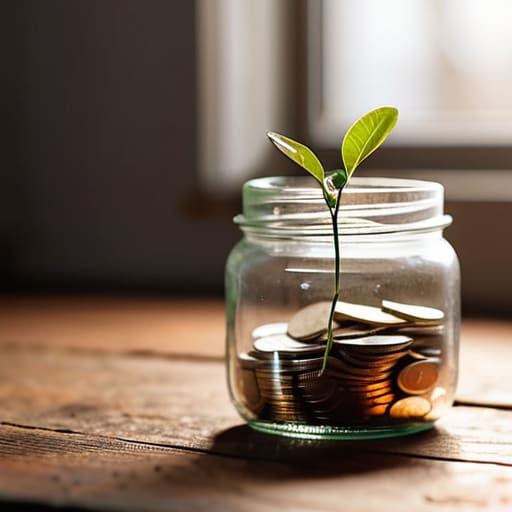
Money Moves to Make in Your 20s
I still remember sitting on the floor of my first tiny studio apartment, surrounded by half-unpacked boxes and the overwhelming scent of cheap instant noodles, staring at a bank balance that felt more like a joke than a reality. I had spent years studying complex systems in college, thinking I could just “optimize” my way out of being broke, but nothing in my textbooks taught me the messy, human side of figuring out how to save money in your 20s when your social life and your rent are constantly at war. It felt less like a math problem and more like trying to assemble a massive, complicated puzzle with half the pieces missing.
I’m not here to give you those tired, “stop buying avocado toast” lectures that feel more like a slap in the face than actual help. Instead, I want to share the practical, low-friction systems I’ve built throughout my career to help you bridge the gap between surviving and actually thriving. We’re going to break this down into manageable, bite-sized pieces—the kind of real-world tactics that work even when life gets chaotic—so you can build a foundation that actually lets you enjoy your life while you grow your wealth.
Table of Contents
Mastering the Pieces Budgeting Apps for Gen Z

Think of your finances like a complex piece of software; you wouldn’t try to code a massive application without a solid framework, right? That’s exactly where budgeting apps for Gen Z come into play. Instead of staring at a confusing spreadsheet that feels like a chore, these tools act like your personal productivity assistants. Apps like YNAB or Mint (or its many successors) essentially automate the “data entry” part of your life, pulling in your transactions so you can see exactly where your cash is flowing. It takes the guesswork out of the equation, allowing you to spot those sneaky $7 latte subscriptions before they derail your bigger goals.
The real magic happens when you use these apps to bridge the gap between just surviving and actually building something meaningful. I always tell my clients to use these digital tools to prioritize building an emergency fund first. Having that small safety net tucked away in a high-yield savings account is like having a backup server for your life—it keeps everything running smoothly when an unexpected car repair or medical bill crashes your system. Once that’s automated, you’re no longer playing defense; you’re finally starting to play offense.
Frugal Living Tips for Students and Early Careerists

When you’re just starting out, it often feels like you’re playing a game of Tetris where the pieces are falling way too fast and your bank account is looking a little thin. If you’re navigating life as a student or just landed your first “real” job, the temptation to treat every paycheck like a windfall is huge. But here’s the secret: it’s not about deprivation; it’s about strategic optimization. One of the most effective frugal living tips for students is to master the “subscription audit.” We all have that $12 monthly charge for a streaming service we haven’t touched since last summer. Cutting those tiny leaks is like clearing space on your digital desktop—it just makes everything run smoother.
Beyond just cutting costs, I always tell my clients to look at the bigger picture of where that saved cash goes. Instead of letting extra funds sit idle in a checking account, try directing them toward building an emergency fund. Think of this as your personal “buffer zone” for when life inevitably throws a curveball, like a flat tire or a surprise laptop repair. By automating even a small amount to go into a separate savings bucket, you’re essentially coding a safety net for your future self, ensuring that a minor hiccup doesn’t derail your entire financial roadmap.
The Automation Advantage: 5 Tiny Tweaks to Protect Your Future Self
- Set up “Invisible Savings” by automating a small transfer to your savings account the same day your paycheck hits. If you never see the money in your checking account, you won’t miss it, and it turns saving from a chore into a background process.
- Audit your “Ghost Subscriptions” once a month. We’ve all been there—paying for a streaming service or a fitness app we haven’t touched since last summer. Treating your monthly subscriptions like a software audit can save you hundreds of dollars a year.
- Embrace the “24-Hour Cooling Period” for online shopping. When you find that perfect gadget or pair of shoes, leave it in your cart for a full day. Most of the time, the dopamine hit fades, and you’ll realize you didn’t actually need it to complete your day.
- Build a “Micro-Emergency Fund” first. Before you worry about complex investing, aim for a small, accessible cushion—even just $500 or $1,000. It acts like a buffer in a system, preventing a single flat tire or broken phone from crashing your entire financial setup.
- Gamify your “No-Spend Days.” Pick one or two days a week where you commit to spending zero dollars outside of your fixed bills. It’s like a mini-challenge for your brain, and it helps you realize just how much “convenience spending” (like that daily takeout coffee) adds up.
The Big Picture: Your 20s Cheat Sheet
Think of your budget as a DIY automation project—it’s not about restricting your life, but about setting up smart systems (like those apps we talked about) so your money works for you while you sleep.
Small, consistent tweaks to your daily spending are like small code updates; they might seem minor now, but they prevent massive system crashes in your finances later on.
Don’t aim for a perfect financial blueprint right out of the gate; just focus on gathering the right pieces today so you can build a much more stable foundation for your future self.
The Big Picture
Think of saving money in your 20s less like a restrictive diet and more like building a custom automation script for your future self; you’re just setting up the small, smart systems now so that later on, your life runs smoothly without you having to micromanage every single cent.
Jordan Bennett
Piecing Together Your Financial Future

At the end of the day, building wealth in your 20s isn’t about a single, massive windfall or suddenly living like a monk; it’s about the small, consistent systems you put in place. We’ve talked about leveraging the right tech to track your spending and finding those clever, low-cost lifestyle hacks that don’t force you to miss out on the fun. Whether you are automating your savings through an app or rethinking your daily coffee run, you are essentially building the framework for your future self. Remember, every dollar you redirect toward your goals today is a piece of a puzzle that will eventually form a much larger, more stable picture of financial freedom.
I know that staring down a mountain of expenses can feel overwhelming, like trying to solve a Rubik’s Cube in the dark. But please, don’t let the fear of not being “perfect” stop you from starting. You don’t need to have every single cent accounted for by next Tuesday to be successful. Life is messy, and your budget will have its glitches, just like any software I used to write. The goal is simply to keep iterating and refining your approach. Stay curious, stay patient with yourself, and keep building. You are doing much better than you think, and I truly believe you have all the tools you need to thrive.
Frequently Asked Questions
How do I actually start an emergency fund when my rent and groceries already eat up most of my paycheck?
I totally get it—when your paycheck feels like it’s already spoken for by rent and groceries, even $20 feels like a lot. Think of it like debugging a complex script; you don’t fix everything at once, you just find the small leaks. Try the “micro-savings” approach: automate a tiny, almost unnoticeable amount—even just $5 a week—into a separate account. It’s about building the habit of the system, not the size of the pile.
Is it better to focus on paying off my student loans first or putting that money into a high-yield savings account?
This is the ultimate “optimization vs. security” puzzle! If your loan interest rate is higher than what your savings account earns, math says pay the debt. But, as someone who loves a good safety net, I’d say: don’t ignore that high-yield account. Building a small emergency fund first gives you the breathing room to tackle loans without panic. It’s all about finding that sweet spot where you’re crushing debt without feeling totally broke.
How can I balance saving for the future without feeling like I'm missing out on all the fun experiences of being in my 20s?
Think of it like optimizing a system: you can’t run everything at 100% capacity without a crash. I call this “The Joy Buffer.” Instead of choosing between a savings account and a weekend trip, build a specific “Experience Fund” into your budget. It’s not about deprivation; it’s about intentionality. When you allocate money specifically for fun, you can spend it guilt-free, knowing your future self is already taken care of.