Manage Your Energy, Not Just Your Time
I remember sitting in my old cubicle during my software engineering days, staring at a blinking cursor while my brain felt like a browser with fifty tabs open—and forty of them were frozen. I was checking off every single item on my to-do list, yet I felt completely drained by 2:00 PM. We’ve been sold this lie that productivity is all about grinding through a calendar, but that’s not true. The missing piece of the puzzle isn’t more time; it’s effective energy management. If you’re treating your body like a machine that just needs more fuel (coffee) rather than a complex system that needs rhythm, you’re fighting a losing battle against your own biology.
I’m not here to sell you on some expensive, high-tech biohacking ritual or a complicated app that takes more work to maintain than the actual tasks you’re trying to finish. Instead, I want to share the practical, low-friction strategies I’ve gathered from years of tinkering with both code and my own daily habits. I promise to give you honest, no-nonsense ways to align your hardest tasks with your natural peaks, so you can finally stop surviving your schedule and start actually thriving within it.
Table of Contents
Solving the Energy Management Puzzle for a Faster World
To get this right, we have to stop treating our focus like an infinite buffet and start seeing it as a finite resource. I used to think that if I just sat at my desk longer, I’d eventually get more done. Spoiler alert: I just ended up staring blankly at a spreadsheet while my brain felt like mush. The secret isn’t about working harder; it’s about cognitive load management. When we try to juggle too many complex tasks at once, we aren’t just being busy—we’re actually draining our internal batteries way faster than necessary.
Think of your day like a DIY automation project. You wouldn’t run every single motor and sensor in your house at maximum power all at once, right? You’d time it so things run when they’re needed most. That’s exactly how we should approach our biological prime time. By identifying those specific windows when your brain is naturally firing on all cylinders, you can tackle your “big rock” projects when you have the most juice. Once you start aligning your hardest tasks with your natural peaks, you’ll find that maintaining sustainable productivity habits becomes less about willpower and more about working with your biology instead of against it.
Energy Auditing Techniques for Daily Clarity
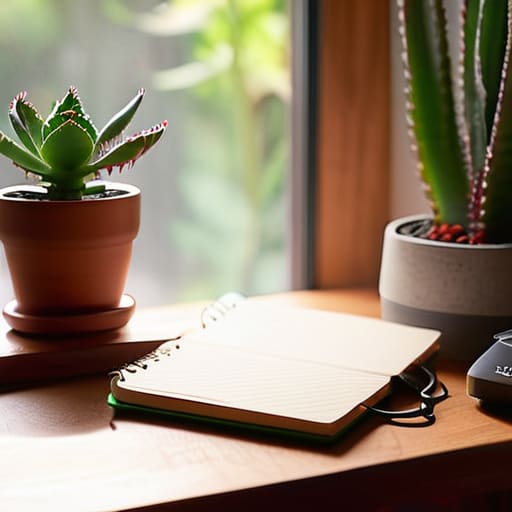
If you’ve ever stared at a screen for twenty minutes only to realize you’ve just been moving a cursor in circles, you’ve experienced an energy leak. To fix this, you need to start an energy audit. Think of it like debugging a piece of code; you can’t fix the glitches until you actually see them in the logs. For one week, I want you to jot down your energy levels in that little notebook of mine every few hours. Don’t just track what you did, but how you felt while doing it. You might discover that those “quick” morning meetings are actually draining your mental battery more than a heavy coding session ever could.
Once you have your data, look for the patterns. Are you hitting a massive wall every day at 3:00 PM? That’s your signal to stop fighting the friction and start working with it. Instead of forcing yourself through a high-stakes project when your brain feels like mush, use that low-energy slot for something low-stakes, like clearing out your inbox or organizing your files. The goal isn’t to be a machine that runs at 100% all day; it’s about aligning your tasks with your natural rhythms so you aren’t constantly running on empty.
Mastering Your Biological Prime Time
Have you ever noticed how some mornings you feel like a high-performance supercomputer, while other afternoons you’re more like a laptop running on 1% battery with twenty tabs open? That’s not a flaw in your character; it’s just your biology at work. We all have these natural peaks and valleys in our alertness, which I like to call our “Biological Prime Time.” Instead of fighting against your natural rhythm, try to treat it like a customizable workflow. If you know your brain is most sharp at 10:00 AM, don’t waste that precious mental bandwidth on clearing out your inbox or scheduling low-stakes meetings.
The trick is to map out your day based on these internal rhythms. I actually keep a little log in my notebook to track when I feel most “on.” Once you identify your window of peak cognitive function, protect it fiercely. Use those hours for your deep work—the complex, brain-bending projects that actually move the needle. By aligning your hardest tasks with your highest energy, you aren’t just working harder; you’re working smarter.
Simple Pieces for Sustaining Your Vitality

Once you’ve audited where your power is leaking, it’s time to start plugging those holes. I like to think of this as building a toolkit of sustainable productivity habits that work with your body rather than against it. One of the biggest game-changers for me was realizing that my brain isn’t a machine that can run at 100% indefinitely. To avoid that dreaded mid-afternoon slump, I started focusing heavily on cognitive load management. This means I stop trying to tackle deep, complex coding logic or heavy strategic planning right when my brain feels like mush. Instead, I save those “heavy lifting” tasks for when my focus is naturally peaking.
Another piece of the puzzle is understanding how small, rhythmic shifts can prevent burnout before it even starts. It’s not just about sleeping eight hours; it’s about circadian rhythm optimization—getting that natural sunlight in the morning to tell your brain the day has officially begun. When we align our smallest daily actions with our natural internal clocks, we aren’t just working harder; we’re working smarter and more effortlessly.
Circadian Rhythm Optimization Made Easy
Think of your circadian rhythm as the internal metronome that keeps your entire biological orchestra in sync. When this rhythm is off, even the best productivity hacks feel like trying to run a high-end software program on a battery that’s constantly at 2%. Instead of fighting against your body’s natural ebb and flow, I like to think of it as aligning your internal clock with the world around you. It’s not about radical lifestyle overhauls; it’s about small, intentional tweaks that signal to your brain when it’s time to gear up and when it’s time to power down.
One of my favorite “low-tech” hacks is getting some natural sunlight in your eyes shortly after waking up. This simple act helps reset your internal timer, making it much easier to feel alert during the day and naturally sleepy when night rolls around. It’s essentially like recalibrating your system for maximum efficiency without needing a single app or gadget.
Smart Cognitive Load Management Strategies
Ever feel like your brain has too many tabs open at once? That’s cognitive load in action. When we try to juggle deep work, constant Slack notifications, and that mental checklist of groceries, our “mental RAM” gets maxed out, leaving us feeling foggy and drained. To fix this, I’m a huge fan of externalizing your mental clutter. Instead of trying to hold every tiny detail in your head, offload it immediately into a trusted system—whether that’s a quick note in my little notebook or a digital task manager.
Once you’ve cleared the clutter, focus on single-tasking during your high-focus windows. Switching between tasks isn’t just distracting; it’s an energy leak that forces your brain to constantly “reboot” its context. By narrowing your focus, you preserve your precious mental fuel for the stuff that actually moves the needle.
Five Small Tweaks to Keep Your Battery From Hitting Zero
- Treat your phone like a person—if it’s at 5%, you wouldn’t expect it to run a heavy video game, right? Stop expecting your brain to tackle deep, creative work when your mental battery is in the red. When you feel that slump hitting, switch to “low-power mode” tasks like clearing your inbox or organizing your desk instead of fighting a losing battle with a complex spreadsheet.
- Build “Micro-Rest” buffers into your calendar. I used to think productivity meant sprinting from one meeting to the next, but that’s a one-way ticket to burnout city. Think of these as tiny pit stops in a race; even five minutes of staring out a window or stretching can prevent your system from overheating before lunch.
- Curate your digital environment to reduce “background noise.” Just like a cluttered workspace makes it hard to focus, a constant stream of notifications acts like a dozen tiny apps running in the background of your brain, draining your battery. Turn off those non-essential pings and give your cognitive energy a chance to actually settle.
- Use the “Hydration Hack” for more than just thirst. We often mistake mental fatigue for simple dehydration. I’ve found that whenever I hit that mid-afternoon wall where my brain feels like it’s stuck in molasses, a big glass of water and a quick walk away from my screen acts like a quick system reboot.
- Schedule your “Shutdown Ritual” religiously. One of the biggest energy thieves is the “open loop”—that nagging feeling that you forgot something important. At the end of your workday, jot down your top three priorities for tomorrow in your notebook. It signals to your brain that the “work program” is officially closed, allowing you to actually recharge during your off-hours.
Putting the Pieces Together: Your Energy Action Plan
Stop fighting your biology and start working with it; identify your “Biological Prime Time” and protect those hours like they’re gold for your most demanding tasks.
Treat your mental bandwidth like a finite battery, not an infinite well, by using smart cognitive load management to avoid that mid-afternoon burnout.
Regular energy auditing is your secret weapon—think of it as a quick weekly check-in to see which pieces of your routine are helping you thrive and which ones are just draining your battery.
The Golden Rule of Personal Flow
“Stop treating your energy like an infinite battery that you can just plug into a wall whenever you feel like it; start treating it like a precious, shifting puzzle where the goal isn’t to work harder, but to place your most important tasks exactly where they fit best within your natural rhythm.”
Jordan Bennett
Putting the Pieces Together

We’ve covered a lot of ground today, from identifying your biological prime time to auditing those sneaky energy drains that leave you feeling wiped by 3 PM. It’s easy to feel overwhelmed when you look at all these moving parts—circadian rhythms, cognitive load, and daily vitality—but remember, you don’t have to overhaul your entire life by Monday morning. Think of these strategies as individual puzzle pieces rather than a rigid blueprint. Start by implementing just one small change, like a quick energy audit or a more intentional morning light exposure, and watch how those small shifts begin to stabilize your daily flow. The goal isn’t perfection; it’s about building a sustainable system that works with your biology instead of constantly fighting against it.
At the end of the day, energy management isn’t just about squeezing more tasks into your calendar or becoming a more efficient machine. It’s about reclaiming the fuel you need to actually show up for the things—and the people—that matter most to you. When you stop treating your energy like an infinite resource and start treating it like a precious asset, everything changes. You’ll find that you aren’t just surviving the fast pace of the modern world; you’re actually finding the space to thrive within it. So, grab your notebook, pick one piece to start with, and let’s start building a life that feels as good as it looks.
Frequently Asked Questions
I've tried tracking my energy, but how do I know if I'm actually seeing patterns or just having a bad week?
That is such a great question! Honestly, I’ve been there—staring at my notebook wondering if I’m actually trending downward or if I just had one really rough Tuesday. To tell the difference, look for the “noise” versus the “signal.” A bad week is just a glitch in the system. Real patterns are the recurring themes that show up consistently over 14 to 21 days. If that 3 PM slump hits every single afternoon, that’s your signal!
What do I do if my "biological prime time" totally clashes with my actual work schedule or family responsibilities?
Ugh, the classic “clash of the titans”—your brain wants to soar at 10 PM, but your boss (and your kids) need you at 9 AM. I’ve been there! When you can’t move the mountain, you have to find ways to work around it. Try “micro-dosing” your high-focus tasks during tiny gaps in your schedule, or use your low-energy hours for mindless admin so you can protect your precious mental bandwidth for when it actually matters.
Is it possible to "over-optimize" my energy and end up feeling more burnt out from the tracking itself?
Oh, I am so glad you asked this! Honestly? Yes, absolutely. I’ve been there—staring at my data, obsessing over every single metric, and feeling more stressed about the “tracking” than the actual work. It’s what I call the “Optimization Trap.” If your productivity tools start feeling like a second job, they’ve stopped being helpful and started being a drain. Remember, the goal is to serve your life, not to become a slave to your spreadsheet!