How to Set Up a Workspace That Helps You Focus
I remember sitting in my old cubicle during my engineering days, surrounded by three monitors, a $500 ergonomic keyboard, and enough high-end gadgets to power a small spacecraft, yet I still couldn’t get a single line of code written. I felt like a total fraud because I thought I was following the “expert” rules on how to build a productive workspace, but all I really had was a very expensive pile of clutter. It turns out, you can buy every productivity hack on the market, but if your environment doesn’t actually click with how your brain functions, you’re just decorating a distraction zone.
I’m not here to sell you on a lifestyle aesthetic or a specific brand of overpriced standing desk. Instead, I want to help you treat your setup like a custom-built automation project—something that works for you rather than against you. I’m going to share the actual, no-nonsense frameworks I’ve gathered from years of tech integration and cognitive science to help you figure out how to build a productive workspace that feels effortless. Let’s stop chasing the hype and start piecing together a setup that actually helps you thrive.
Table of Contents
Mastering Ergonomic Office Setup Tips for Daily Ease
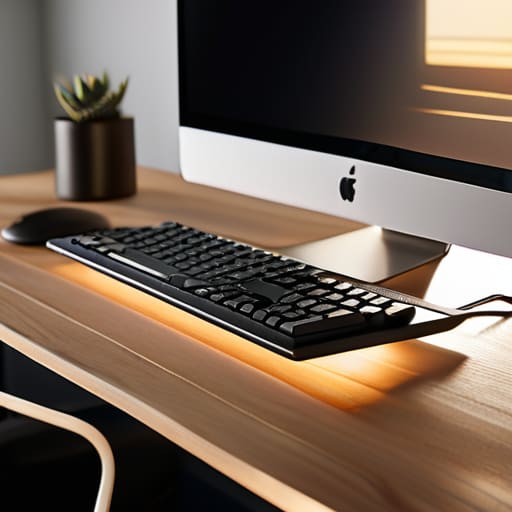
Think of your body as the most important piece of hardware in your entire system. If your chair is digging into your lower back or your monitor is forcing you into a permanent slouch, you’re essentially running a high-performance program on a glitchy, overheating laptop. One of my favorite ergonomic office setup tips is to ensure your screen is at eye level; if you’re looking down all day, you’re inviting a massive headache to the party. I used to struggle with this constantly until I started using a simple laptop stand and an external keyboard. It felt like a small tweak, but it was the ultimate system upgrade for my physical comfort.
Beyond just the chair and desk, don’t overlook the subtle environmental factors that drain your battery. I’ve found that optimal lighting for productivity makes a world of difference—aim for natural light whenever possible to keep those circadian rhythms in check. If you’re working in a dim corner, your brain might interpret that as a signal to power down for a nap! By balancing your light sources and adjusting your posture, you aren’t just sitting; you’re setting the stage for effortless flow.
Improving Focus With Environment and Optimal Lighting for Productivity
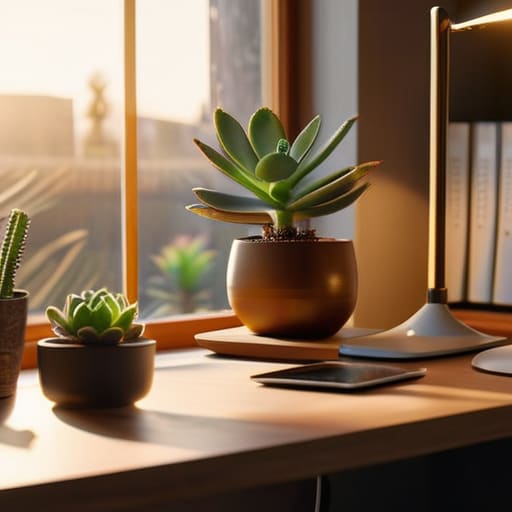
Ever notice how a dim, flickering bulb can make even the simplest task feel like you’re wading through molasses? I’ve been there—staring at my monitor in a room that felt more like a cave than a creative hub. Achieving optimal lighting for productivity isn’t just about brightness; it’s about the quality of the light. If you can, try to position your desk near a window to catch some natural sunlight, which helps keep your circadian rhythms in check. If that’s not an option, layering your light with a warm desk lamp can prevent that heavy-eyed, mid-afternoon slump we all dread.
Beyond the glow, I’ve learned that your surroundings act as a silent cue to your brain. If your desk is a chaotic sea of old coffee mugs and tangled charging cables, your mind will struggle to find its center. I’m a huge advocate for improving focus with environment by creating “sensory zones.” This means keeping your immediate visual field clear and using soft textures or even a specific scent to signal to your brain that it’s time to dive deep into work. When your environment is dialed in, the transition into “flow state” feels less like a struggle and more like a natural progression.
The Final Pieces: Small Tweaks for a Seamless Workflow
- Curate Your Digital Desktop. Just like a cluttered physical desk makes it hard to find a pen, a messy computer screen creates mental friction. I love starting my week by clearing out random screenshots and grouping my most-used apps into a single “Focus” folder. It’s like clearing the workbench before starting a new DIY project.
- Implement a “Single-Tasking” Zone. We often think multitasking is a superpower, but it’s actually just a recipe for burnout. Try designating a specific area of your desk—maybe even just a small tray—for the one thing you are working on right now. When that tray is out, everything else stays in the “waiting” zone.
- Use Automation to Handle the Boring Stuff. This is where my old software engineer brain gets really excited! Use tools like Zapier or simple phone shortcuts to automate repetitive tasks, like filing receipts or setting recurring reminders. If a task feels like a mindless loop, there’s probably a way to make it run itself.
- The “End-of-Day” Reset Ritual. I always keep my little notebook handy to jot down my top three priorities for tomorrow before I shut down. By tidying your physical space and clearing your mental queue at the end of the day, you’re essentially “pre-loading” your productivity for the next morning.
- Introduce Sensory Anchors. Sometimes, your brain needs a signal that it’s time to get serious. Whether it’s a specific lo-fi playlist, a certain scent from a candle, or even a specific type of tea, creating a sensory routine tells your nervous system, “Hey, it’s time to piece this puzzle together.”
The Blueprint for Your Best Workday
Treat your physical setup like a well-oiled machine; when your chair, monitor, and lighting are aligned, you stop fighting your environment and start flowing with your work.
Lighting isn’t just about seeing your keyboard; it’s about setting the stage for your brain to switch into “deep work” mode without the constant distraction of eye strain.
Small, intentional tweaks to your space act like the missing pieces in a puzzle, turning a cluttered desk into a streamlined launchpad for your biggest ideas.
The Philosophy of Your Space
“Think of your workspace not as a collection of furniture, but as a finely tuned system; when you stop fighting your environment and start designing it to support you, the friction of daily life just seems to melt away.”
Jordan Bennett
Final Pieces of the Puzzle
At the end of the day, building a productive workspace isn’t about buying the most expensive gadgets or having a desk that looks like a Pinterest board. It’s about the small, intentional adjustments that make your flow feel natural. We’ve talked about everything from the ergonomic foundations that keep your body from aching by 3:00 PM, to the way lighting and environment can either sharpen your focus or leave you feeling scattered. When you align your physical setup with your cognitive needs, you aren’t just organizing a room; you are optimizing your mental bandwidth so you can spend less time fighting your surroundings and more time doing the work that actually matters.
I like to think of your workspace as a living system—a DIY project that evolves right along with you. Don’t feel like you have to get it perfect on day one. Just like one of my automation projects, sometimes you have to tinker, fail, and recalibrate a few times before everything clicks into place. Treat your setup as a work in progress rather than a destination. If you approach your space with curiosity instead of pressure, you’ll find that productivity becomes less of a chore and more of a natural byproduct of a well-designed life. Now, go grab that notebook of yours and start sketching out your first few changes!
Frequently Asked Questions
I’ve got a tiny apartment and zero room for a dedicated office—can I still create a "zone" for focus without a separate room?
Oh, I’ve been there! When I was living in that tiny studio, my “office” was basically a corner of my dining table. The secret isn’t about square footage; it’s about psychological boundaries. Try using a small rug to physically define your zone, or even a specific desk lamp that you only turn on when it’s deep-work time. It’s like a mental switch—once that light is on, you’re officially in the zone.
Is it actually worth investing in high-end tech gear, or can I build a killer setup using stuff I already have around the house?
Honestly? It’s a bit of both. Think of your gear like the pieces of a puzzle: you don’t need the most expensive, gold-plated pieces to see the full picture, but the right tools can definitely make the assembly smoother. Start with what you have—your current laptop and a sturdy chair are great foundations. Only upgrade when a specific tool becomes a bottleneck that’s actively draining your energy or focus.
How do I stop my digital workspace (like all my open tabs and messy desktop files) from ruining the physical organization I've worked so hard on?
Think of your digital workspace as the “invisible clutter” that can derail even the tidiest desk. If your desktop is a graveyard of random screenshots, your brain stays in a state of low-level chaos. I love using a “one-in, one-out” rule for browser tabs: if I open a new project, I close the old ones. Try grouping files into simple folders once a week—it’s like clearing the mental static so you can actually focus.