How to Secure Your Home Wifi Network
I remember sitting on my living room floor three years ago, surrounded by a chaotic mess of tangled ethernet cables and half-finished DIY automation sensors, feeling completely defeated. I had spent weeks trying to build the “perfect” smart home, only to realize I’d essentially left my digital front door wide open. It’s a frustrating realization: you spend all this time optimizing your life, yet you haven’t even figured out how to secure your home wifi properly. Most tech gurus will try to sell you a $500 router or a complex enterprise-grade firewall that you’ll never actually use, but honestly? That’s just unnecessary noise that complicates a problem that shouldn’t be this hard.
I’m not here to sell you expensive hardware or drown you in jargon that sounds like it was written for a computer science textbook. Instead, I want to help you piece this puzzle together using the same practical, no-nonsense approach I use in my own consulting work. I’m going to walk you through a few straightforward, high-impact steps to lock down your connection so you can stop worrying about digital intruders and get back to actually enjoying your tech. Let’s make your network actually work for you, not against you.
Table of Contents
- Changing Default Router Credentials for Instant Peace of Mind
- Leveraging Wpa3 Encryption Standards for a Stronger Foundation
- Five More Pieces to Your Digital Security Puzzle
- Quick Wins for a Safer Network
- ## A Quick Thought on Digital Boundaries
- Putting the Final Pieces in Place
- Frequently Asked Questions
Changing Default Router Credentials for Instant Peace of Mind
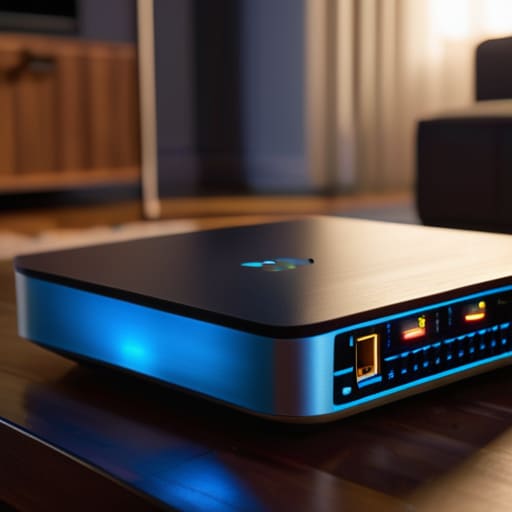
Think of your router like a brand-new house. It comes with a standard set of keys, but here’s the catch: those keys are essentially copied and handed out to everyone. When you first plug in your device, it uses factory-set usernames and passwords that are public knowledge for anyone with a little bit of tech savvy. Changing default router credentials is quite literally the first thing you should do to stop a stranger from walking right into your digital living room. It’s the quickest way to ensure you aren’t leaving the “master key” under the doormat.
I remember my first DIY automation project, and I actually got locked out of my own system because I forgot the password I’d just changed! It was a funny lesson, but it taught me that taking control of your access is worth the tiny bit of initial friction. Once you log into your router’s admin panel, swap those generic “admin/password” combos for something unique and robust. It’s a small, five-minute task that provides massive, instant peace of mind, effectively preventing unauthorized wifi access before it even begins.
Leveraging Wpa3 Encryption Standards for a Stronger Foundation

If changing your credentials was the first step in locking the door, then upgrading your encryption is like installing a high-tech security system. Most of us are used to WPA2, which has been the industry standard for years, but if you’ve recently upgraded your gear, you might see an option for WPA3 encryption standards. Think of WPA3 as the latest, toughest version of a digital handshake; it makes it significantly harder for hackers to use “brute force” methods to guess your password. Even if your password isn’t a complex masterpiece, WPA3 adds a layer of protection that keeps the bad actors at bay.
Now, I know what you’re thinking—”Does my old laptop even support this?” Not always, and that’s where the puzzle gets interesting. If you enable WPA3 and find that your older smart fridge or an old tablet suddenly can’t connect, you might need to use a “transition mode.” This allows newer devices to use the beefed-up security while letting your older tech stay online. It’s all about finding that sweet spot between maximum security and seamless connectivity so your home stays both safe and functional.
Five More Pieces to Your Digital Security Puzzle
- Give your network a name that doesn’t give away the game. Instead of “The Smith Family Wi-Fi,” try something generic or totally random. You want to avoid broadcasting your name, address, or even the router model, which can act like a neon sign for hackers looking for specific vulnerabilities.
- Set up a dedicated Guest Network for visitors and those pesky smart home gadgets. Think of it like a side entrance to your house; you can let people in to use the internet without giving them a key to your main living room where your private laptops and sensitive data live.
- Keep your router’s firmware updated like you’d keep your phone updated. These updates are often little patches that fix “leaks” in your security. I usually set mine to auto-update, but if yours doesn’t, make a quick note in my little notebook to check it once a month.
- Turn off WPS (Wi-Fi Protected Setup) if you aren’t using it. It’s that “push button” feature meant for convenience, but in the tech world, it’s often a bit of a weak link that can be exploited. It’s a small trade-off: a tiny bit less convenience for a whole lot more peace of mind.
- Disable Remote Management to keep the controls local. Unless you have a very specific reason to tweak your router settings while you’re halfway across the world, it’s safer to ensure that the only way to change your settings is by being physically connected to your home network.
Quick Wins for a Safer Network
Think of your router’s default login like leaving a key under the mat—change those admin credentials immediately to keep unwanted guests out of your settings.
Upgrade your encryption to WPA3 whenever possible; it’s like adding a heavy-duty deadbolt to your digital front door, making it much harder for hackers to pick the lock.
Treat your Wi-Fi security as an ongoing project rather than a one-and-done task, checking in regularly to ensure your settings stay as robust as they were on day one.
## A Quick Thought on Digital Boundaries
“Think of securing your Wi-Fi less like a daunting IT project and more like putting a sturdy lock on your front door; it’s not about living in fear, it’s about creating a safe space where you can actually relax and enjoy being connected.”
Jordan Bennett
Putting the Final Pieces in Place
At the end of the day, securing your home Wi-Fi isn’t about becoming a cybersecurity expert overnight; it’s about building a series of small, intentional habits. We’ve looked at how swapping out those factory-default passwords can close a massive loophole, and how upgrading to WPA3 provides that much-needed digital armor for your data. By treating your router like the gateway to your entire digital life—rather than just a blinking plastic box in the corner—you’ve already done more than most to shut the door on unwanted guests. It’s all about those incremental wins that, when stacked together, create a truly resilient system.
I know that staring down a list of technical “to-dos” can sometimes feel a bit overwhelming, like trying to solve a 1,000-piece puzzle without the picture on the box. But remember, the goal isn’t perfection; it’s progress. Every little tweak you make today is a gift to your future, more relaxed self. Once these settings are dialed in, you can stop tinkering with the “what-ifs” and get back to what actually matters: connecting with the world and enjoying the seamless, high-speed life you’ve worked so hard to build. You’ve got this!
Frequently Asked Questions
What should I do if my older devices won't connect after I switch to WPA3?
Oh, the classic “tech tug-of-war!” It’s like trying to fit a vintage puzzle piece into a modern set—it just won’t click. If your older gadgets are acting out, don’t panic. The easiest fix is to enable “WPA3/WPA2 Mixed Mode” in your router settings. This creates a bridge, letting your new tech enjoy the high-security WPA3 while allowing your older devices to connect via the familiar WPA2. It’s the perfect middle ground!
Is it actually worth setting up a separate guest network for my smart home gadgets?
Think of your guest network like a guest room in your house—it’s great to have people over, but you probably wouldn’t give them the keys to your private safe, right? I absolutely recommend it for smart gadgets. Most IoT devices have “okay” security at best, and if one gets hacked, a separate network keeps that intruder trapped in the guest room, preventing them from jumping over to your laptop or phone.
How can I tell if someone is actually piggybacking on my connection without me knowing?
Ever feel like there’s a ghost in your machine? To see if someone’s hitching a ride on your bandwidth, grab your phone and log into your router’s admin dashboard—it’s like checking the guest list at a party. Look for a section labeled “Connected Devices” or “DHCP Client List.” If you see a device name you don’t recognize, like “Unknown” or a random gadget you never bought, you’ve likely found your uninvited guest!