
How to Stop Procrastinating and Start Doing
I remember sitting in my old cubicle during my software engineering days, staring at a flickering monitor while my heart raced. I wasn’t lazy; I was paralyzed. I had a mountain of code to write, but instead, I was meticulously reorganizing my desktop icons and researching the perfect productivity app. We’ve been sold this lie that we just need a more expensive planner or a high-tech ritual to fix our focus, but that’s nonsense. Learning how to stop procrastinating isn’t about buying a new system; it’s about understanding the glitch in our own mental operating system that makes us freeze when things get real.
I’m not here to sell you a $500 masterclass or a complex “life hack” that takes more time to set up than the task itself. My goal is to help you find those missing puzzle pieces through practical, bite-sized strategies that actually work in the messy reality of a busy life. I’m going to share the exact, no-nonsense methods I use to bridge the gap between “I should do this” and actually doing it. We’re going to strip away the fluff and focus on simple, effective solutions that turn your momentum from a standstill into a steady flow.
Table of Contents
Understanding the Psychology of Procrastination and Mental Friction

Before we dive into the “how-to,” we need to look under the hood. Think of your brain like a piece of software that’s suddenly hitting a massive bug. Often, what we call laziness is actually just a high level of mental friction. When we face a daunting project, our amygdala—the brain’s emotional alarm system—can perceive that task as a threat. This triggers a fight-or-flight response, but since we can’t exactly fight a spreadsheet, we “fly” straight into a YouTube rabbit hole instead. This is the core of the psychology of procrastination: it’s an emotional regulation problem, not a time management one.
When that friction gets too high, you might find yourself stuck in a loop of overcoming task paralysis, where you know exactly what you need to do, but your brain simply refuses to send the “start” command. It feels less like a lack of willpower and more like your internal gears are jammed with sand. Understanding that this is a neurological hiccup rather than a character flaw is the first step toward smoothing out the mechanism and getting your momentum back.
Breaking Down Large Tasks Into Manageable Simple Pieces

Think of a massive project like a giant, 1,000-piece jigsaw puzzle dumped onto a table. If you stare at the whole pile at once, your brain naturally wants to retreat to something easier, like scrolling through social media. That feeling of being overwhelmed? That’s often just overcoming task paralysis in disguise. When a goal feels too heavy to lift, it’s usually because we haven’t actually defined what “starting” looks like. Instead of writing “Launch Website” on your to-do list, try something ridiculously small, like “Buy domain name.”
I used to struggle with this constantly during my software engineering days; I’d stare at a complex block of code and just freeze. Now, I treat every daunting project as a series of micro-wins. By breaking down large tasks into tiny, bite-sized increments, you bypass that internal alarm bell that triggers procrastination. It’s not about doing the whole thing at once; it’s about finding that first, tiny piece that actually fits. Once you slot that one piece in, you’ll find the momentum to keep building.
Five Simple Tools to Help You Find Your Flow
- Try the “Two-Minute Rule” to bypass that initial mental friction. If a task takes less than two minutes—like answering a quick email or clearing your desk—do it immediately. It stops those tiny, nagging chores from piling up into a mountain of stress that feels impossible to climb.
- Use “Time Boxing” to give your focus a container. Instead of staring at an endless to-do list, pick a specific window—say, 25 minutes—and commit to just one task. It’s like setting a timer on a kitchen oven; it creates a sense of healthy urgency and lets you know exactly when you’re allowed to take a breather.
- Curate your digital environment to minimize “micro-distractions.” I used to think I had no willpower, but really, I just had too many open tabs and notifications screaming for my attention. Treat your workspace like a clean circuit board; if a notification isn’t helping the current process, flip the switch and turn it off.
- Implement “Temptation Bundling” to make the boring stuff a bit more delightful. If you know you have a mountain of data entry to do, pair it with your favorite lo-fi playlist or that fancy coffee you love. By linking a high-resistance task with something you actually enjoy, you’re essentially greasing the gears of your motivation.
- Forgive your “off” days to prevent the downward spiral. We’ve all had those mornings where we just can’t seem to find the momentum. Instead of beating yourself up—which only adds more mental weight to carry—just acknowledge it, jot it down in your notebook, and try a fresh approach tomorrow. Perfection is a myth; progress is what actually counts.
Quick Wins to Reclaim Your Momentum
Stop looking at the mountain and start looking at your feet; by shrinking a daunting project into tiny, bite-sized micro-tasks, you strip away the mental friction that makes you want to hide under your covers.
Recognize that procrastination isn’t a character flaw or “laziness,” but rather a signal from your brain that it’s feeling overwhelmed or anxious about a specific task.
Build a “low-friction” environment by prepping your digital and physical workspace ahead of time, making it easier to start working than it is to keep making excuses.
Reframing the Resistance
“Think of procrastination not as a character flaw, but as a bit of mental friction in your personal operating system; you don’t need to overhaul the whole machine, you just need to smooth out the edges so you can finally start moving.”
Jordan Bennett
Piecing Together Your New Momentum
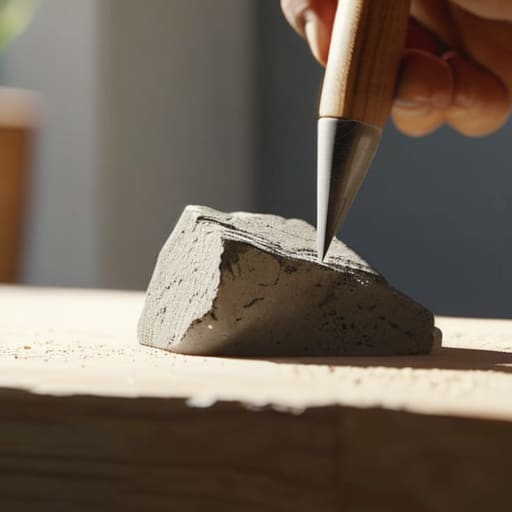
At the end of the day, beating procrastination isn’t about having a magical surge of willpower or a perfectly color-coded calendar. It’s about understanding that mental friction is real and learning how to chip away at it one small piece at a time. We’ve looked at how to decode the psychological hurdles that keep you stuck and how to transform those intimidating, mountain-sized projects into tiny, bite-sized tasks that actually feel doable. Remember, the goal isn’t to achieve flawless productivity overnight; it’s simply to reduce the resistance between your ideas and your actions so you can stop spinning your wheels and start moving forward.
I know that starting can feel like trying to assemble a thousand-piece puzzle in the dark, but I promise you, the picture becomes clearer with every single piece you lay down. Don’t wait for the “perfect” moment or a burst of inspiration to strike—that’s just another way our brains try to trick us into staying comfortable. Instead, just pick up one small piece, right where you are, and see what happens. You have all the tools you need to reclaim your time and build a life that feels intentional rather than reactive. You’ve got this, and I’m rooting for you every step of the way!
Frequently Asked Questions
What if I’ve already broken my tasks down into tiny pieces but I still feel that heavy mental resistance to starting?
Ugh, I’ve been there—it’s like having all the Lego pieces laid out, but the box still feels too heavy to open. If the pieces are small but the resistance is huge, you’re likely hitting “emotional friction,” not a logic problem. Your brain isn’t fighting the task; it’s fighting the feeling associated with it. Try the “Five-Minute Rule”: commit to just five minutes of mindless prep. Usually, once the engine’s idling, the heavy lifting feels much lighter.
How do I distinguish between "productive procrastination"—like cleaning my desk instead of working—and actual progress?
Think of it like this: is the task actually clearing a path for your main goal, or is it just a detour? If cleaning your desk helps you find your notebook and focus, that’s a tactical win. But if you’re color-coding your pens to avoid opening a difficult spreadsheet, that’s just “productive” stalling. Ask yourself: “Am I doing this to prepare, or am I doing this to hide?” If it’s the latter, it’s just a distraction in disguise.
Are there any specific digital tools or automation hacks that can help me bypass that initial moment of friction?
Think of friction like a sticky gear in a machine—we just need a little digital lubricant! I love using “single-task” apps like Forest to gamify focus, or setting up simple IFTTT automations that prep my workspace. Even just using a browser extension to hide distracting tabs can act like a physical barrier against doomscrolling. It’s all about building small, automated guardrails that nudge you toward starting before your brain can say “no.”