Note-taking Methods That Help You Actually Remember
I still remember sitting in my old cubicle during my software engineering days, surrounded by three different monitors and a mountain of half-finished digital scribbles that made absolutely no sense. I had spent hours researching the “perfect” productivity setup, convinced that if I just found the most complex, high-tech system, my brain would finally stop feeling like a browser with fifty open tabs. But here’s the truth that most productivity gurus won’t tell you: most of those expensive, over-engineered note taking methods are just sophisticated ways to procrastinate. We get so caught up in the aesthetic of organization that we forget the actual goal is to capture a thought before it vanishes into the ether.
I’m not here to sell you on a shiny new app or a complicated system that requires a PhD to maintain. Instead, I want to help you strip away the noise and find a way to piece your thoughts together that actually sticks. I’m going to walk you through a few battle-tested note taking methods that I’ve refined through years of trial, error, and a lot of messy notebooks. My promise to you is simple: no hype, no fluff, just practical, human-centric strategies designed to help you reclaim your mental clarity and finally get your ideas out of your head and into the world.
Table of Contents
The Cornell Note Taking System a Simple Solution for Clarity
If you’ve ever sat through a lecture or a long Zoom meeting only to realize you’ve just been mindlessly transcribing words without actually absorbing any of them, you aren’t alone. I used to do the exact same thing back in my engineering days. That’s where the Cornell note taking system becomes a total game-changer. Instead of a messy wall of text, this method asks you to divide your page into three distinct zones: a narrow column for cues, a wider space for your actual notes, and a summary section at the bottom. It’s like having a built-in filing cabinet right on your paper.
The magic happens when you use those cue columns to transform passive scribbling into active listening and note taking. By forcing yourself to write down key questions or prompts in that side margin, you’re essentially teaching your brain to hunt for meaning rather than just acting as a human typewriter. It’s one of those effective study techniques that feels a bit tedious for the first five minutes, but once you see how much easier it is to review, you’ll wonder how you ever lived without it.
Digital vs Analog Note Taking Choosing Your Best Tool
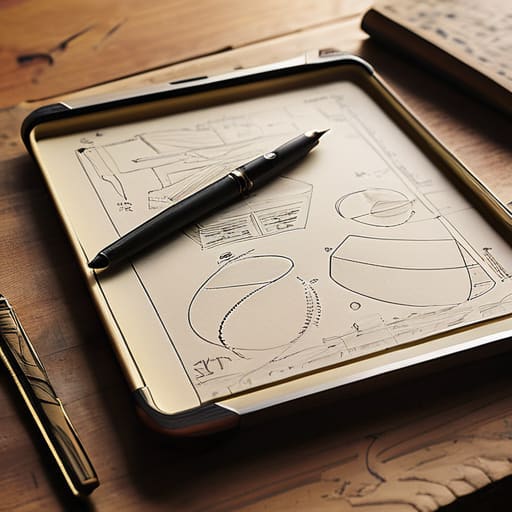
I often find myself caught in a tug-of-war between my trusty, ink-stained notebook and my sleek tablet. It’s the classic digital vs analog note taking debate, and honestly, there’s no “correct” winner—only what works for your brain at that specific moment. There is something almost magical about the tactile feel of a pen gliding across paper; it forces a certain level of intentionality that helps with active listening and note taking during intense meetings or lectures. When I’m sketching out quick ideas or practicing visual note taking strategies, the lack of notifications on a physical page is a total game-changer for my focus.
On the flip side, my inner software engineer absolutely loves the sheer power of digital tools. The ability to search, tag, and instantly sync my thoughts across devices feels like having a superpower. If you’re looking into organizing lecture notes or managing massive projects, the scalability of a digital system is hard to beat. I like to think of it as choosing between a reliable hammer and a Swiss Army knife; sometimes you just need the simplicity of one, and other times, you need the versatility of the other to solve the puzzle.
5 Ways to Stop Collecting Data and Start Building Knowledge
- Don’t just transcribe; translate. If you’re writing down every single word a speaker says, you aren’t actually processing the information—you’re just acting as a human stenographer. Try to rephrase concepts in your own words as you go; it’s like building a bridge between the source material and your own brain.
- Embrace the “Searchability vs. Tactility” balance. I used to think I needed every thought in a digital database, but sometimes my brain needs the friction of a pen on paper to actually “lock in” a concept. Use digital tools for things you need to find in six months, but keep a physical notebook for the messy, creative brainstorming that happens in real-time.
- Build a “Review Ritual” into your week. A notebook full of amazing ideas is just a graveyard if you never look at them again. Set aside fifteen minutes every Sunday to skim your notes from the week. It’s like tidying up a messy room—once you clear the clutter, you can actually see the patterns emerging.
- Use “Visual Anchors” to break up the wall of text. My old engineering brain loves a good diagram. Even if you aren’t an artist, a quick arrow, a circled keyword, or a little box around a crucial deadline can act as a lighthouse, guiding your eyes to the most important parts of the page when you’re scanning later.
- Keep your system “Low-Friction.” The best note-taking method in the world is useless if it takes you ten minutes to set up. If your system is too complex, you’ll eventually stop using it. Aim for a setup where you can capture a thought in under ten seconds—because if you miss that window, the idea is gone for good.
Making It Work for You: My Quick Tips for Success
Don’t get caught in “analysis paralysis”—the best note-taking system isn’t the one with the most features, but the one you actually enjoy using every single day.
Treat your notes like a living puzzle; they shouldn’t just sit there gathering digital dust, but should be something you revisit and refine to help you grow.
Mix and match your tools based on the task at hand, using analog for deep focus and digital for quick captures, rather than feeling locked into just one way of working.
Finding Your Flow
“Think of note-taking methods not as rigid rules to follow, but as different lenses for your brain; once you find the right one, the blurry chaos of a busy day suddenly snaps into a clear, actionable picture.”
Jordan Bennett
Finding Your Perfect Fit
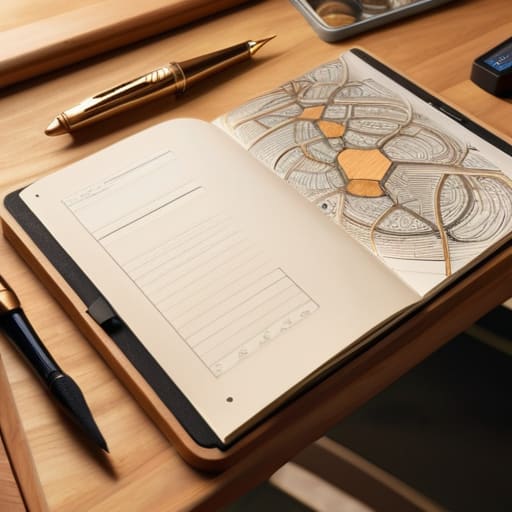
At the end of the day, whether you find yourself gravitating toward the structured layout of the Cornell method or the tactile satisfaction of a fountain pen on paper, the “best” system is entirely subjective. We’ve looked at how different frameworks can transform a mess of scribbles into a coherent map of your thoughts, and how the digital versus analog debate really boils down to how your unique brain processes information. There is no one-size-fits-all solution in the world of productivity; instead, there is only a continuous process of experimentation. Don’t feel pressured to commit to a single method forever—treat your note-taking like a living laboratory where you can test, tweak, and refine your approach until it feels like second nature.
I often think back to my days as a software engineer, trying to debug complex code, and I realized that life is remarkably similar. We are all just trying to organize the data of our experiences so we can make better decisions tomorrow. Don’t let the pursuit of the “perfect” system become another item on your overwhelming to-do list. The goal isn’t to have the most beautiful notebook or the most complex Notion setup; the goal is to clear the mental clutter so you can focus on what truly matters. So, grab that notebook, open that app, and start piecing your puzzle together, one note at a time. You’ve got this!
Frequently Asked Questions
I have a million ideas hitting me at once; how do I decide which note-taking method works best for quick, spontaneous thoughts versus deep study sessions?
Think of your brain like a busy intersection—sometimes you need a quick snapshot, and other times you need a deep dive. For those lightning-bolt ideas, go analog with a pocket notebook or a quick voice memo; you need zero friction to catch them before they vanish. Save the structured methods, like Cornell, for your deep study sessions when you actually have the headspace to organize the pieces. Match the tool to the energy!
Is it possible to combine digital and analog methods without creating a massive, disorganized mess?
Oh, I get this question all the time! It feels like you’re trying to juggle water, right? But honestly, combining them is actually my favorite way to work. Think of it as a “hybrid workflow.” Use your analog notebook for the messy, creative “brain dumps” and rapid sketching during meetings, then quickly migrate the gold nuggets into your digital system for long-term storage and searchability. It’s not chaos; it’s just using the right tool for the right moment.
How much time should I actually be spending organizing my notes versus just writing them down in the first place?
Honestly, I used to fall into the “productivity trap” of spending hours color-coding folders when I should’ve been actually learning. Think of it like this: if you spend more time organizing your tools than actually building the furniture, you’re just procrastinating with style! Aim for an 80/20 split. Spend 80% of your energy capturing raw thoughts and 20% refining them. If the organization isn’t serving your future self, it’s just clutter.